Tell Us A Little About Yourself…
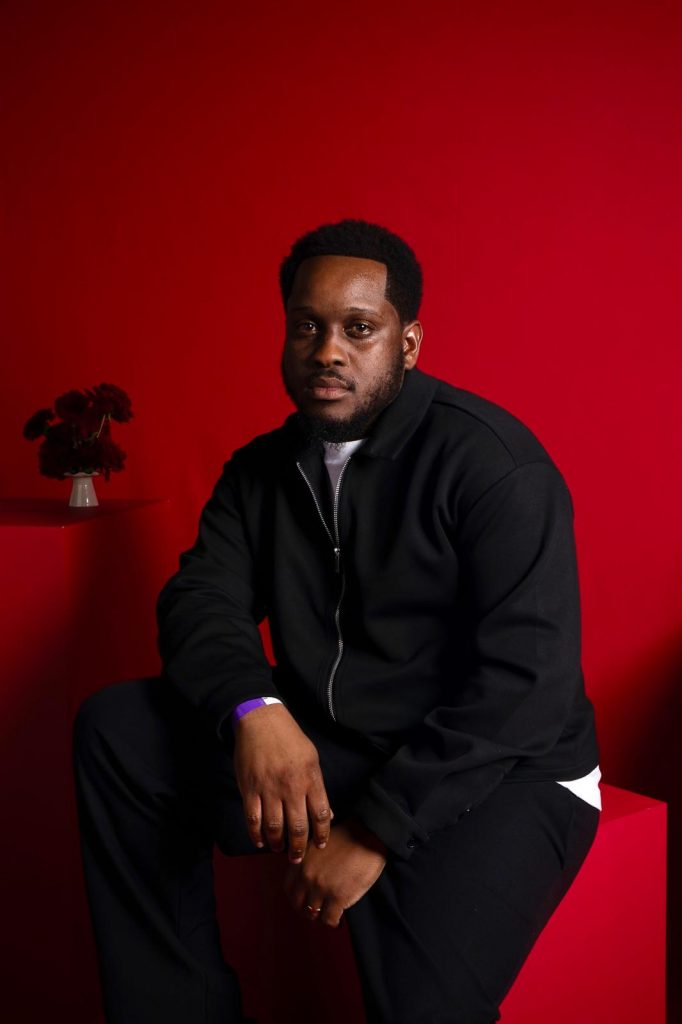
I’m Josh, a Nigerian-British filmmaker and creative producer from South East London. I first fell in love with films at a young age, sitting in the living room with my family watching a lot of 90s classics – Die Hard, Coming to America, Con Air, Terminator, Bad Boys and so on. Looking back, I was probably way too young to be watching half of those films, but I remember the joy they brought me and the memories we created together. My real curiosity about film didn’t kick in until my teens, when it was time to pick GCSE subjects. I chose Media, almost on a whim, and that decision changed everything. That curiosity turned into a genuine passion for filmmaking and the process of bringing stories to life.
As a producer, I’ve led projects across television and digital platforms for leading brands. Outside of my love for film, I have a deep love for music, I play a few instruments and spend a lot of time just listening to new music. And when I’m not doing that, I’m probably having a chilled day in playing video games.
What inspired you to become a filmmaker, and how has your heritage influenced your work?
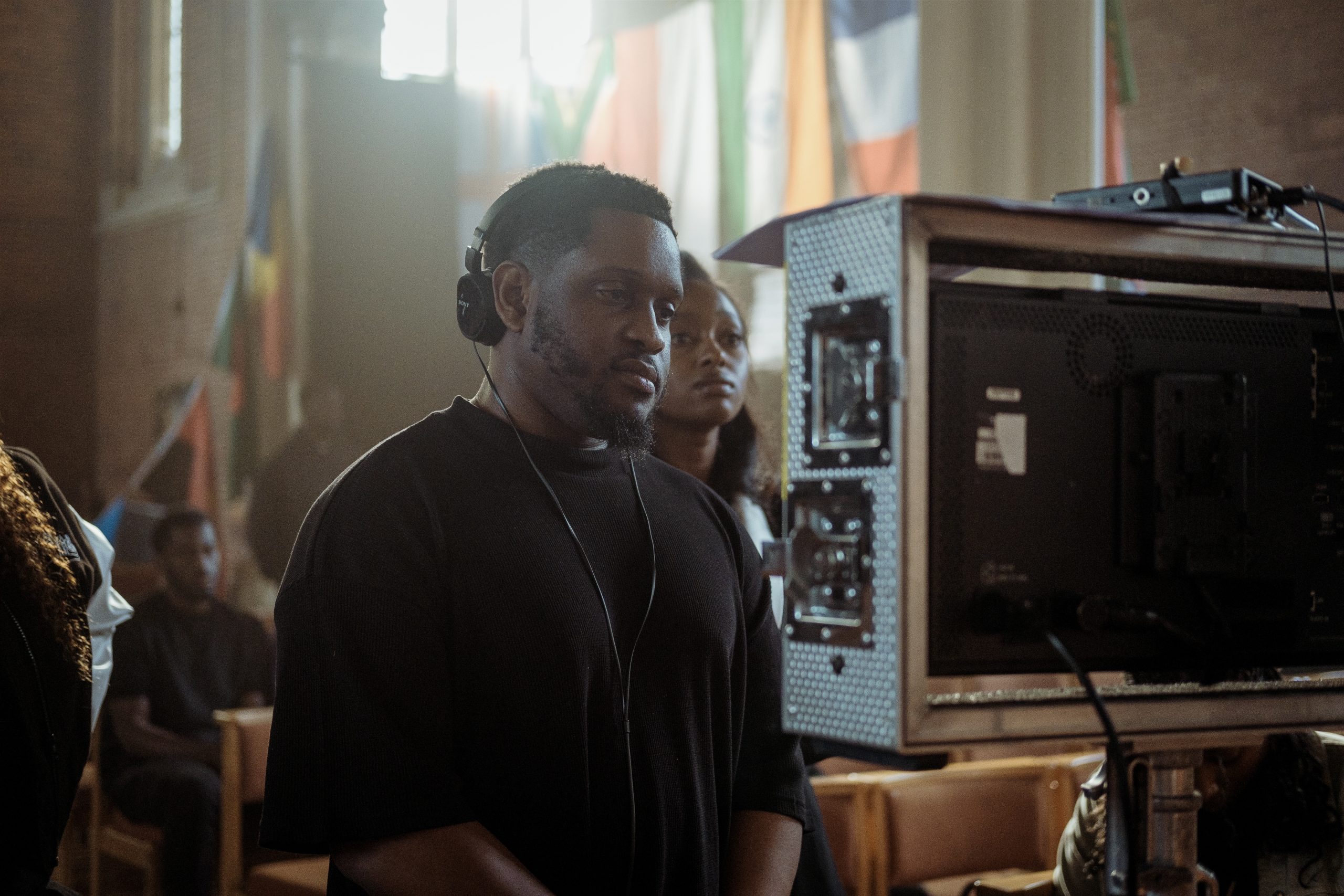
I was around 19 when things really shifted. I’d just bought a Canon 5D Mark II with my student loan, and at the time I was filming content for creatives and their YouTube channels. These were the early days for platforms like SBTV, when a lot of us were one-man bands, shooting, producing, directing and editing content for Youtube.
Around this time my love for film started to grow deeper. I found myself not just watching movies but studying them, googling who directed them, who wrote them, how they were made. I became obsessed with the process. Eventually, I decided to try making my own short film over the summer holidays. A few friends and I just went for it. We had no idea what we were doing, we wrote a 30-page script for a 15 minute short film and ended up with a 40-minute film. But even with all the mistakes we made, I learned so much from that experience, that film will always hold a place in my heart. And from that experience my love for filmmaking was birthed and I haven’t looked back ever since.
My heritage plays a huge part in my work. Being Nigerian-British means I exist between two very distinct cultures. At home, it often felt like being in Lagos, from the films we watched, to the food, the music, and the language. My parents were very intentional about making sure our culture wasn’t lost by growing up in Britain. Spending a few years in Nigeria at boarding school deepened that connection. It shaped how I see the world and the kinds of stories I want to tell. It made me realise how rich, layered and beautiful my culture is. There’s a particular ease and honesty I feel when I’m telling stories that are true to my identity, and once I realised this it completely changed my approach to filmmaking.
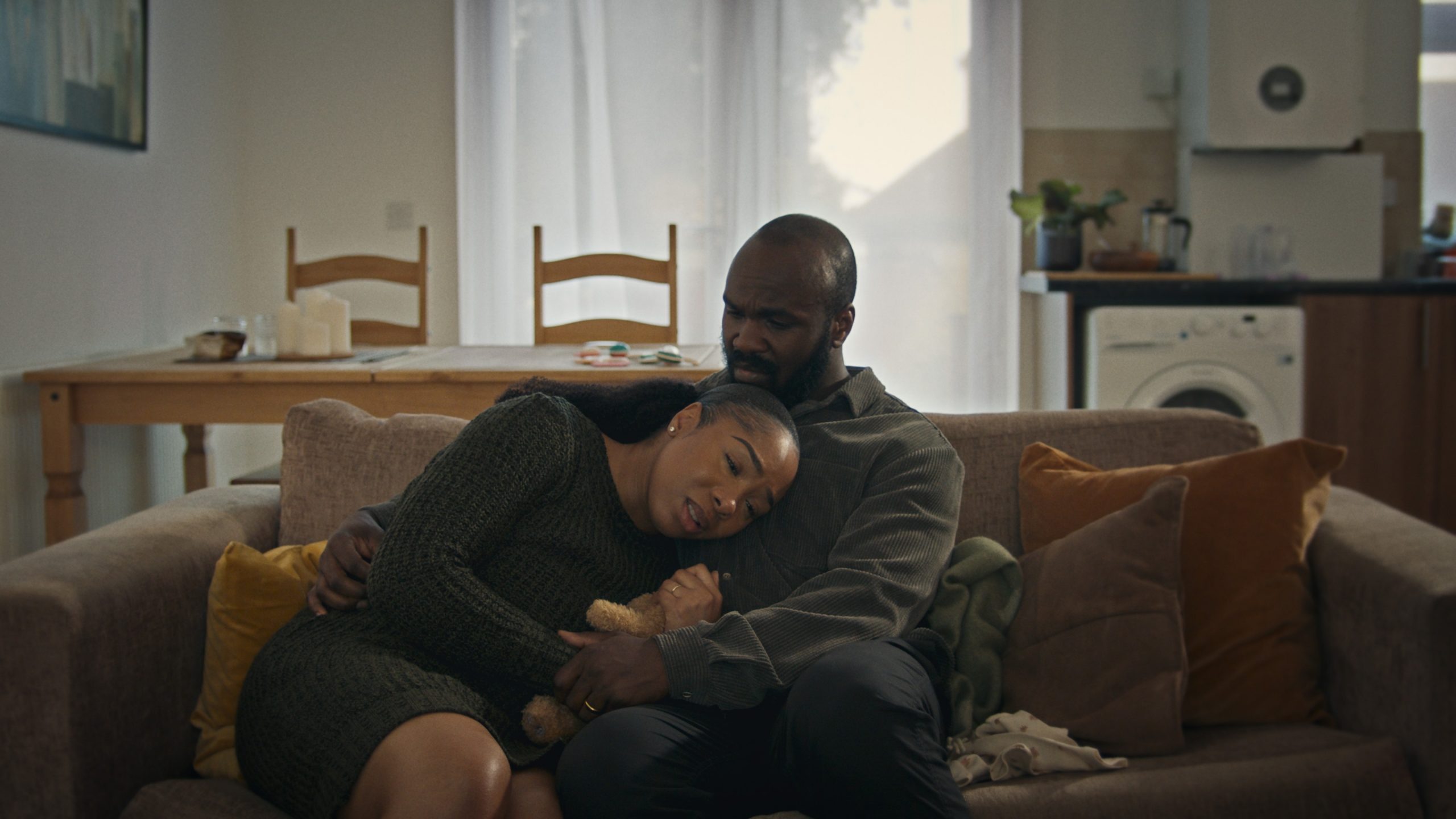
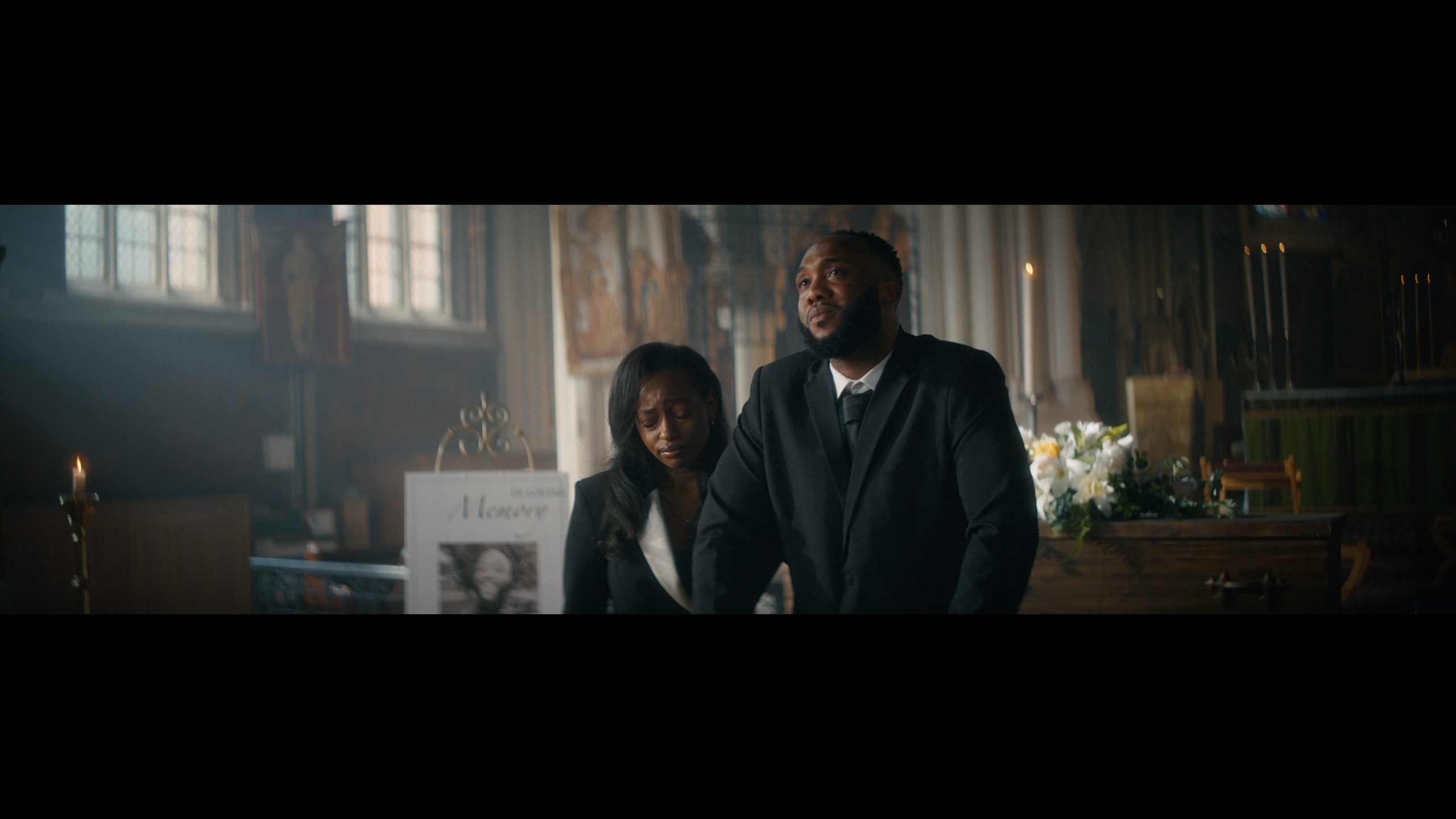
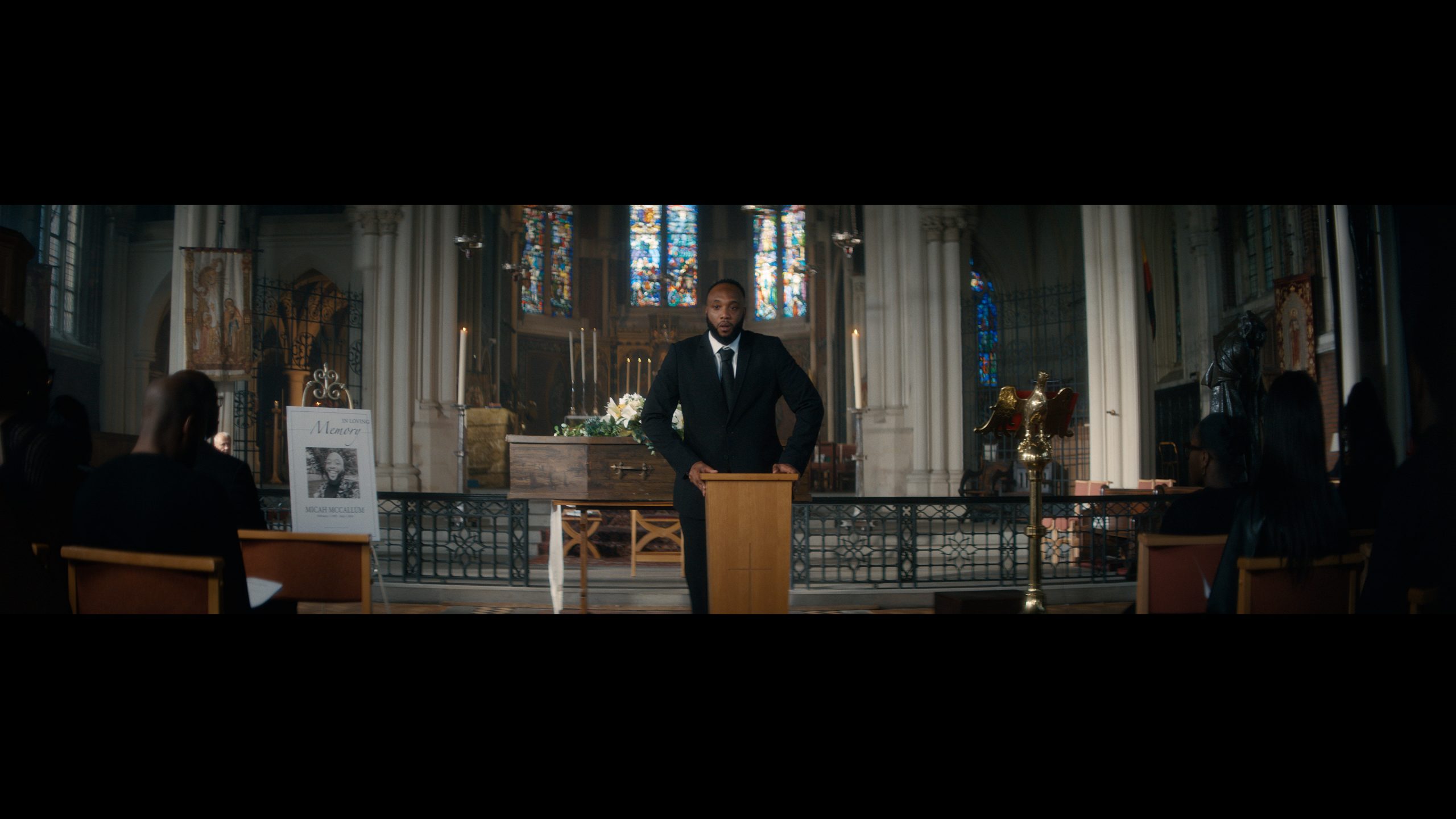
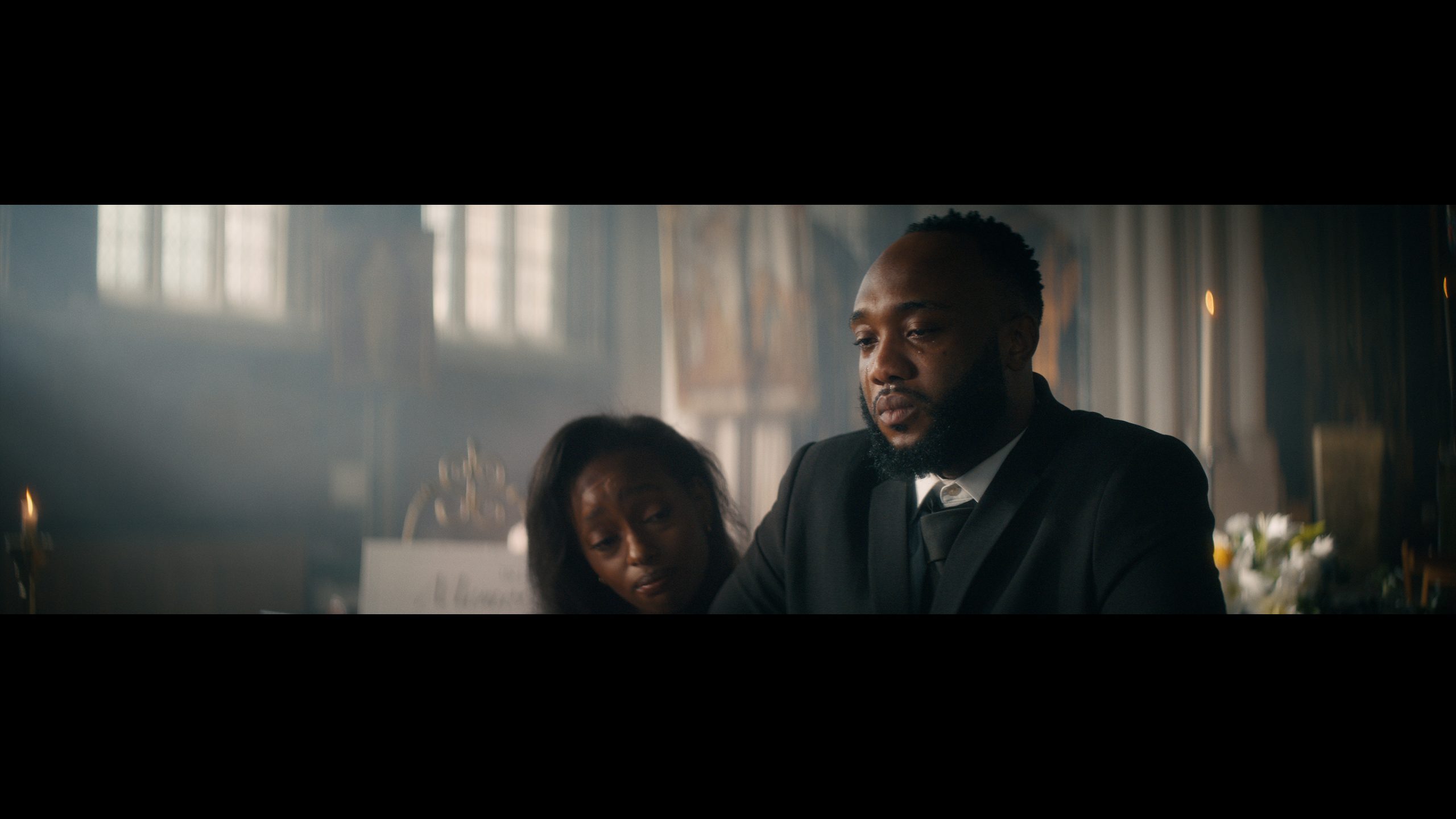
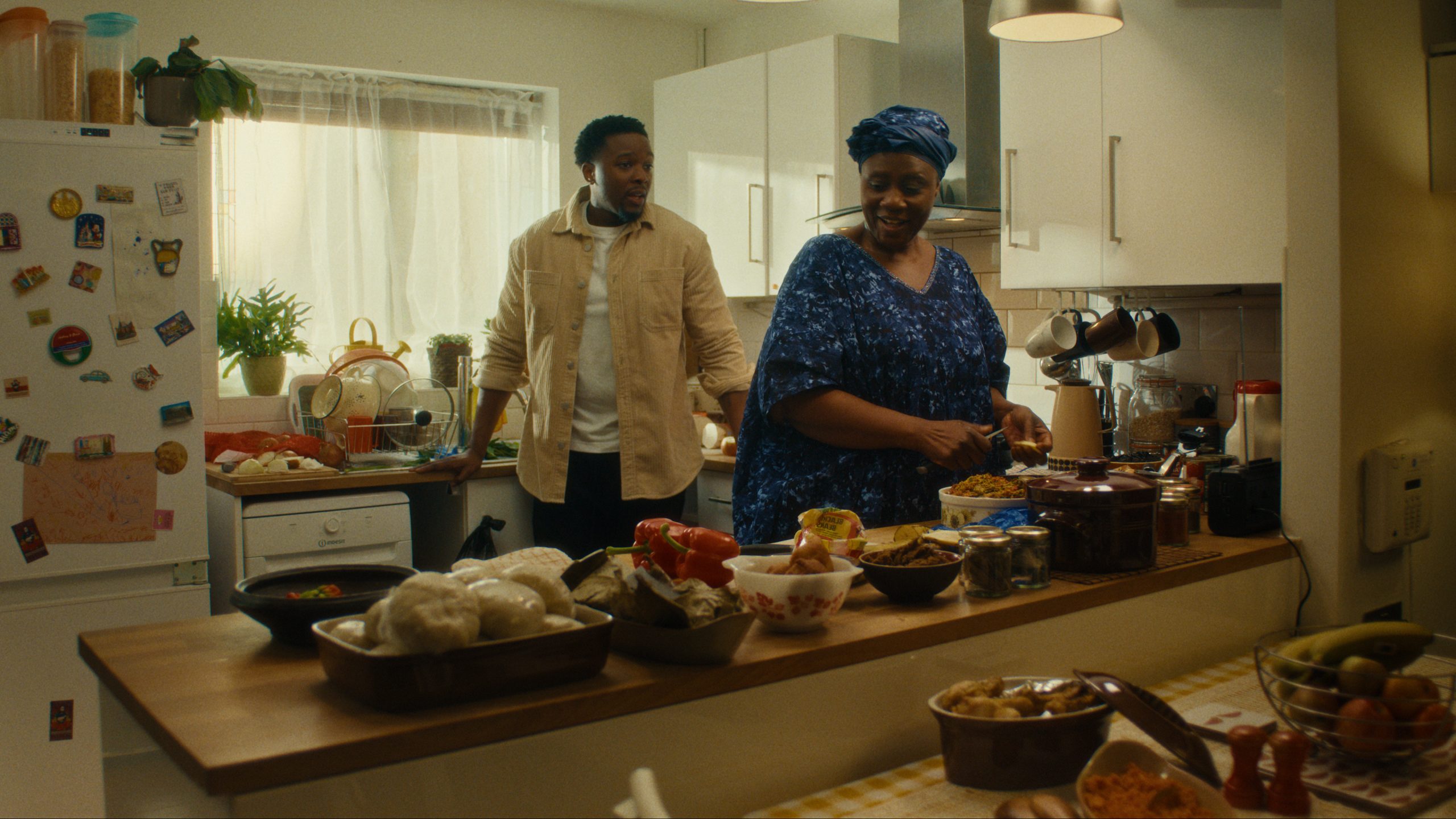
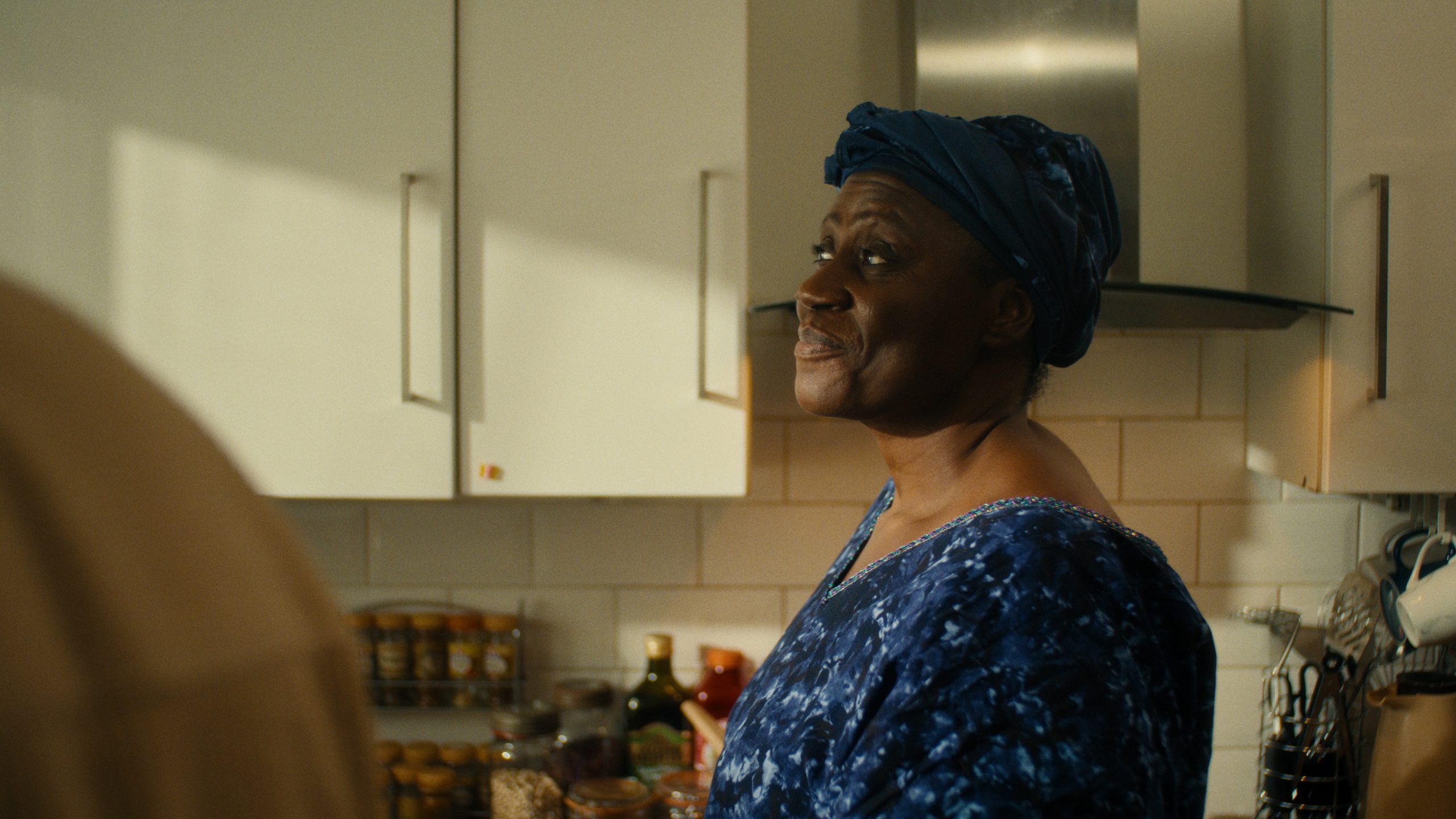
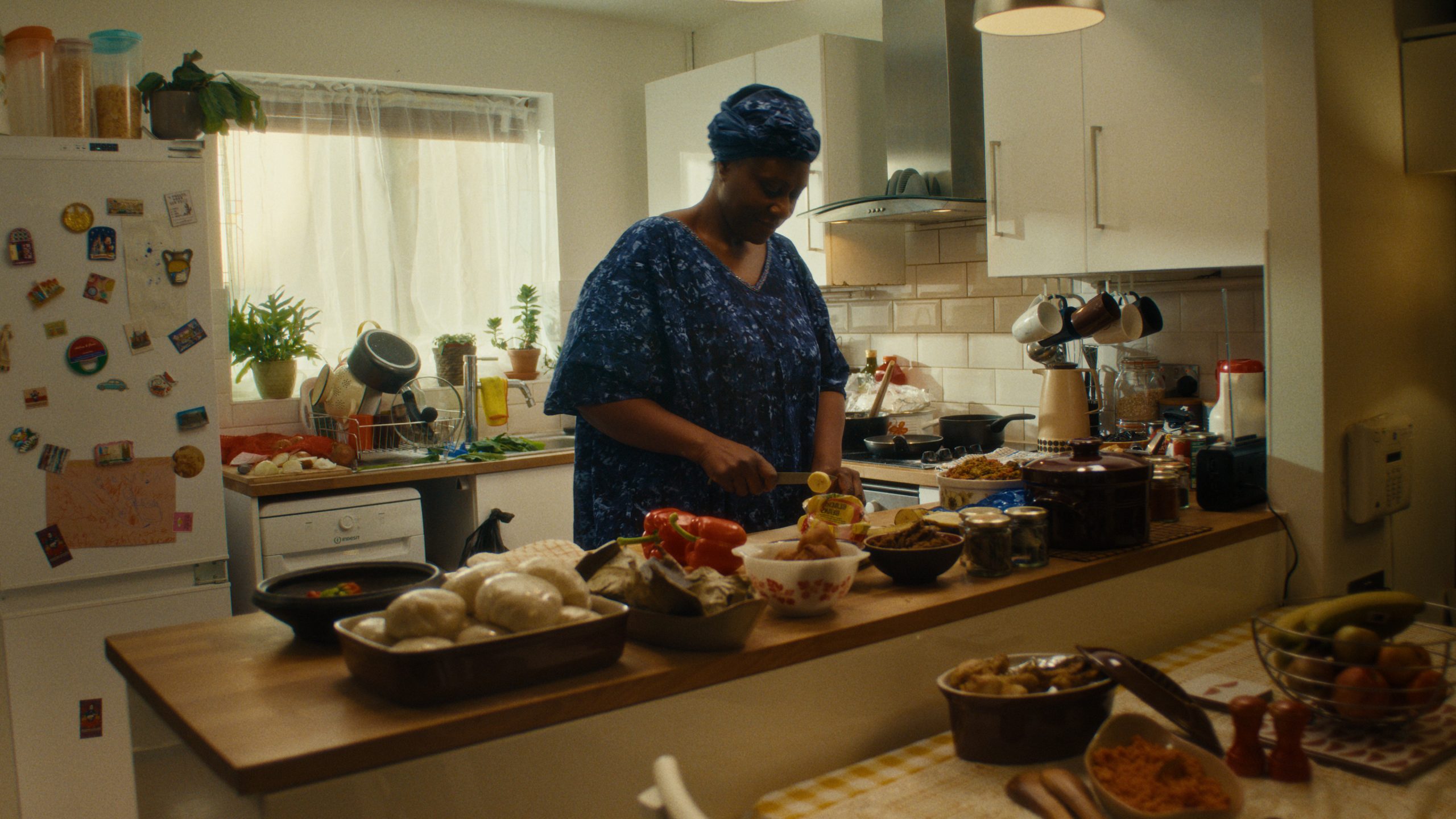
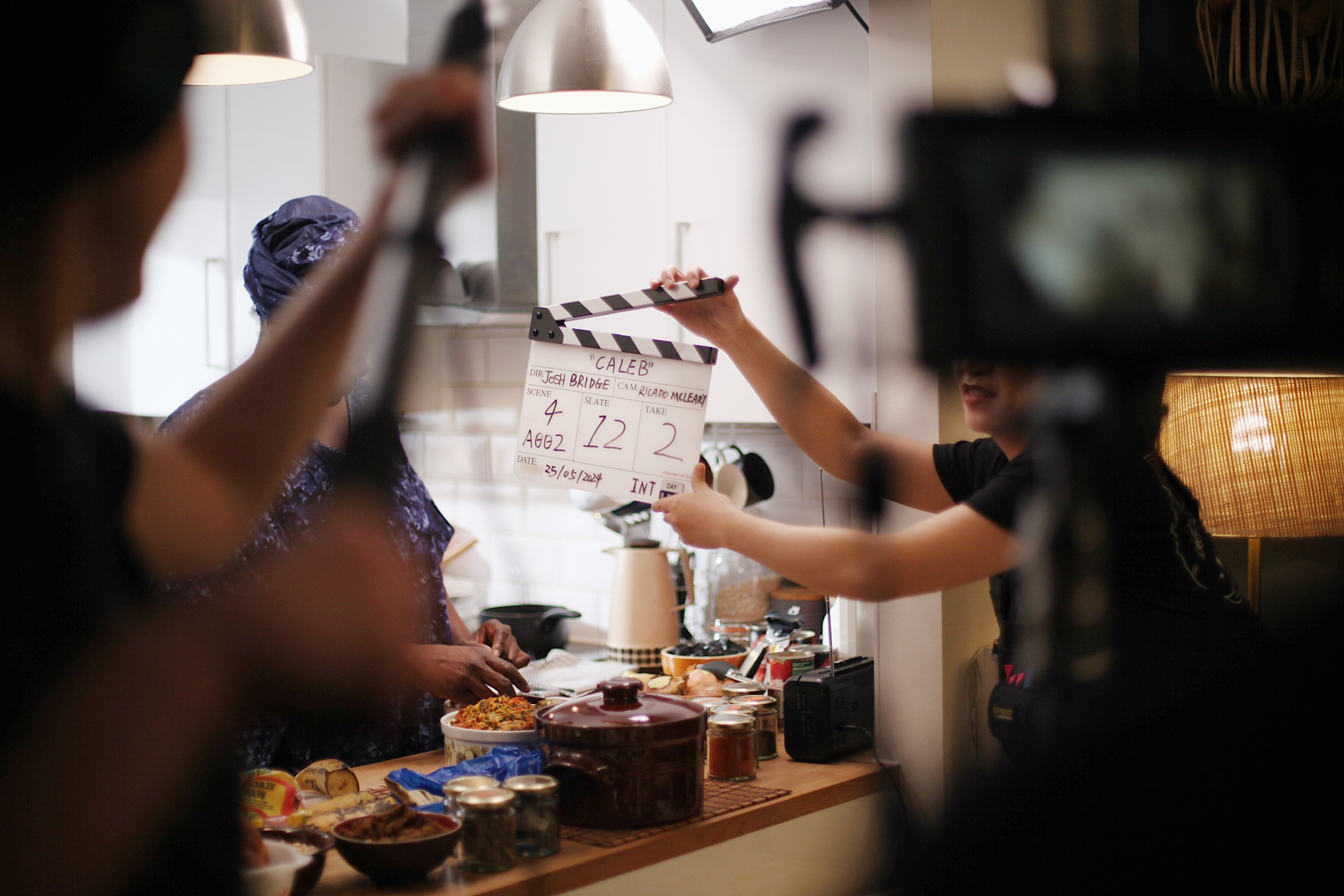
My most recent short film, Caleb, is a good example. Even though it was shot entirely in the UK, it’s soaked in Nigerian culture from the language in the dialogue, to the costumes, music and production design, it’s become a true reflection of my experience growing up as a Nigerian. My lived experiences, my community and my culture are all nuanced, and I feel there are still so many stories to tell that world that we haven’t fully seen on screen yet.
What challenges have you faced as a filmmaker of African origin, and how did you overcome them?
One of the biggest challenges I’ve faced as a Nigerian-British filmmaker is existing in an industry and country that is still predominantly white, with a predominantly white audience. I’m trying to tell stories that, while universal in their themes, are rooted in African experiences. Sometimes that means constantly having to prove that these stories are just as important, just as human, and not “niche” simply because Black characters are at the centre or because there are cultural nuances that might not be instantly familiar to audiences.
That can sometimes lead to fewer opportunities or access to funding, and filmmaking is an expensive craft, it requires a lot of resources. I’ve definitely been in meetings where I’ve spent more time explaining cultural context than actually talking about the story and characters themselves.
For me, the way I’ve tried to overcome these challenges is by staying focused on the work. I pour my energy into developing my craft, using whatever resources I do have, and creating films that connect emotionally with audiences and showing the industry there truly is space for our stories.
What advice would you give to aspiring African filmmakers aiming to share their stories on a global stage?
Be unapologetic about the stories you want to tell. Your perspective is your power. Use your unique voice and create with whatever resources you have access to. Don’t wait for big budgets, perfect opportunities or a “right time”.
Find like-minded creatives and collaborate. Share ideas, build together and sharpen each other’s skills. Some of the best work comes from community, not from having everything figured out alone.
Keep working on your craft. Study films, keep learning, and hone your voice as a filmmaker. And most importantly, be okay with failing forward. Not every project will be perfect, and that’s fine. Every film you make – no matter the scale – is a stepping stone, to moving forward and mastering your craft.