Tell us about yourself…
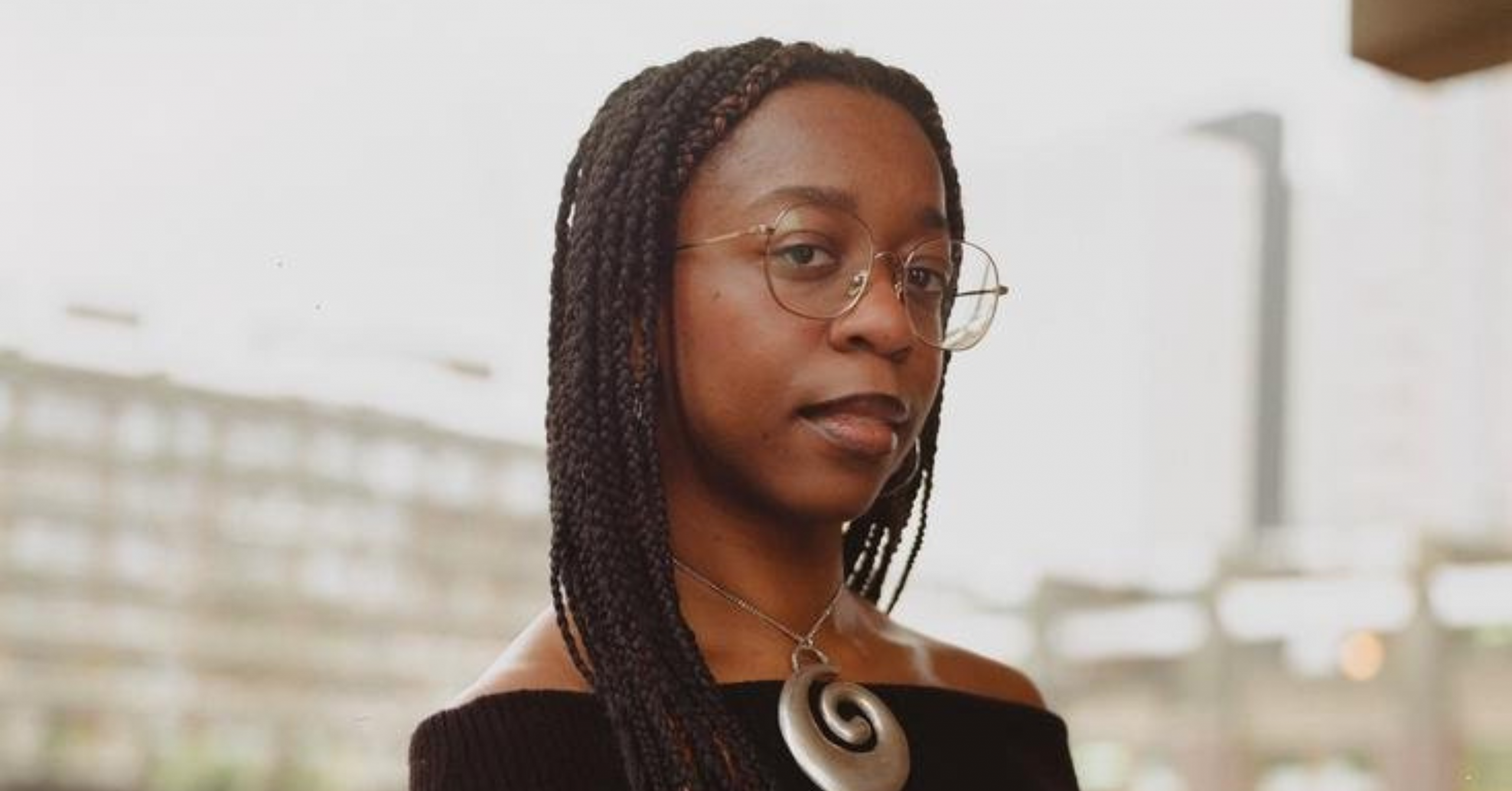
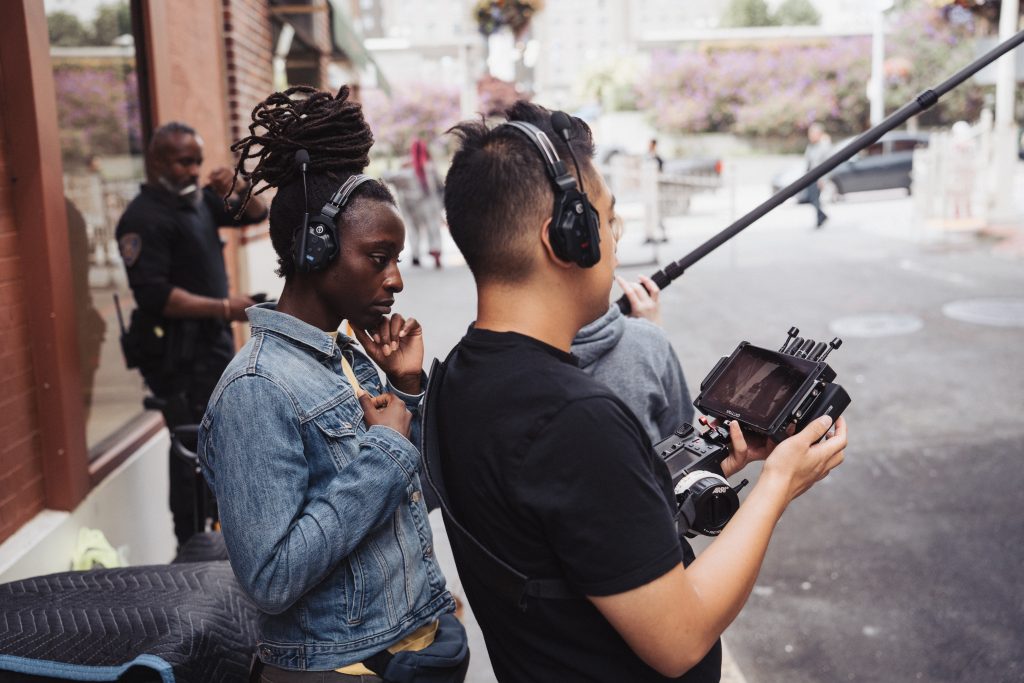
My name is Nana Akua Fobi Duffuor. I’m the child of two Ghanaian immigrants who met at a house party in Philadelphia, which is the city where I was born. I fell in love with storytelling at a young age—first through poetry and literature, and eventually through film.
I hold a Masters of Fine Arts from Columbia University’s Film program. My short film, Confirmation, was the first-ever Columbia University student film produced in Ghana. It premiered at Brooklyn Academy of Music (BAM) in the New York African Film Festival, and received Honorable Mention at the Reel Sisters of the Diaspora Film Festival.
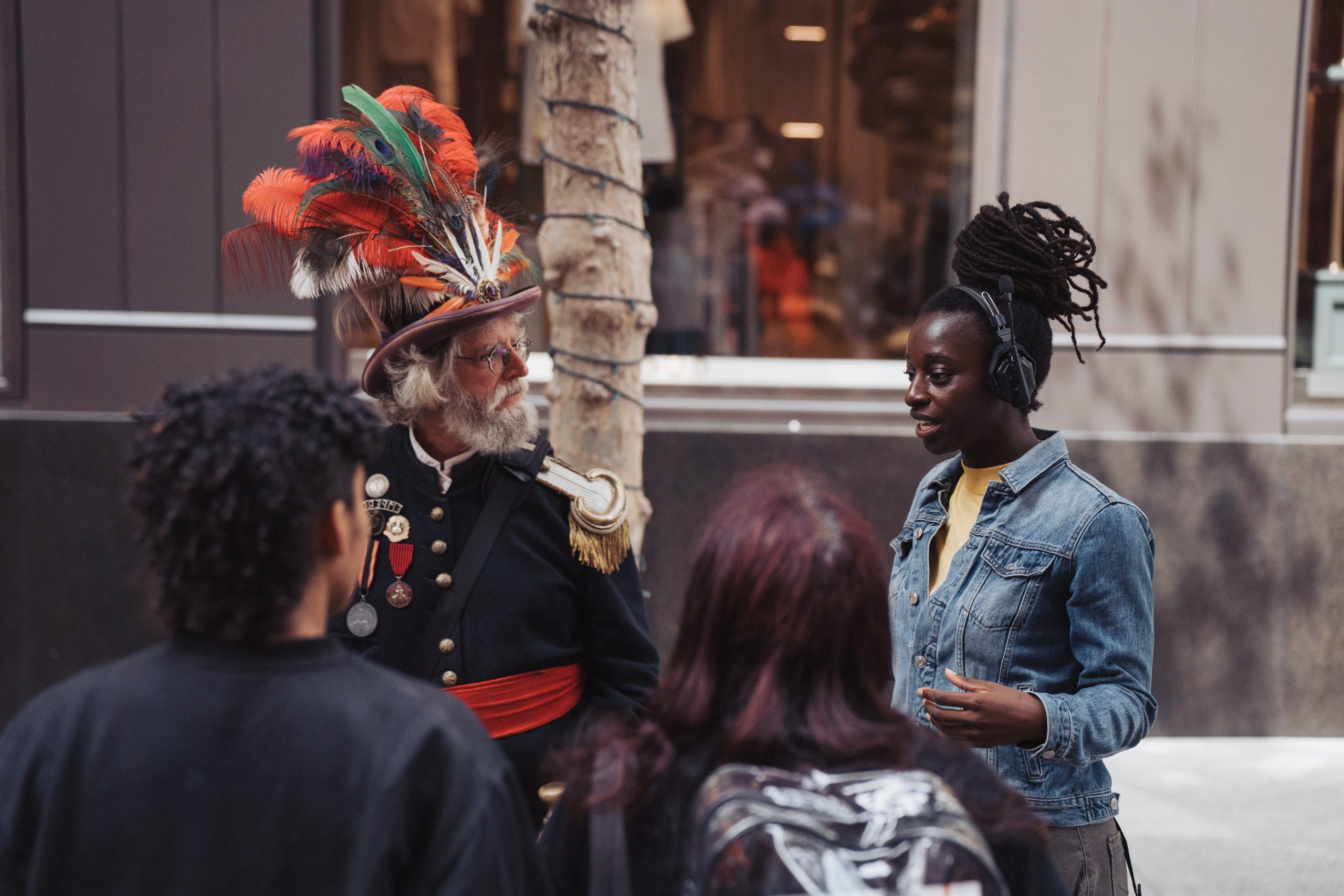
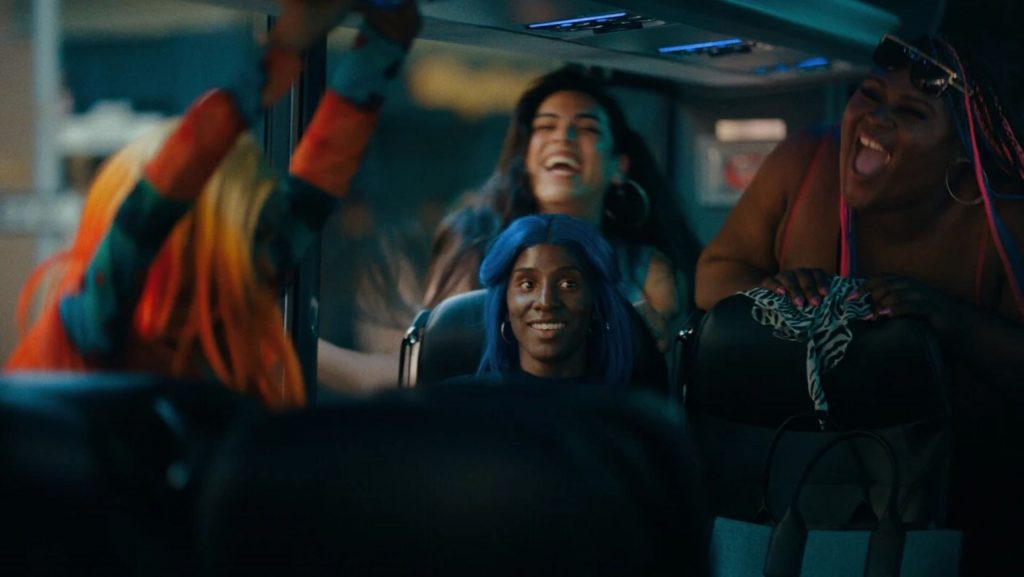
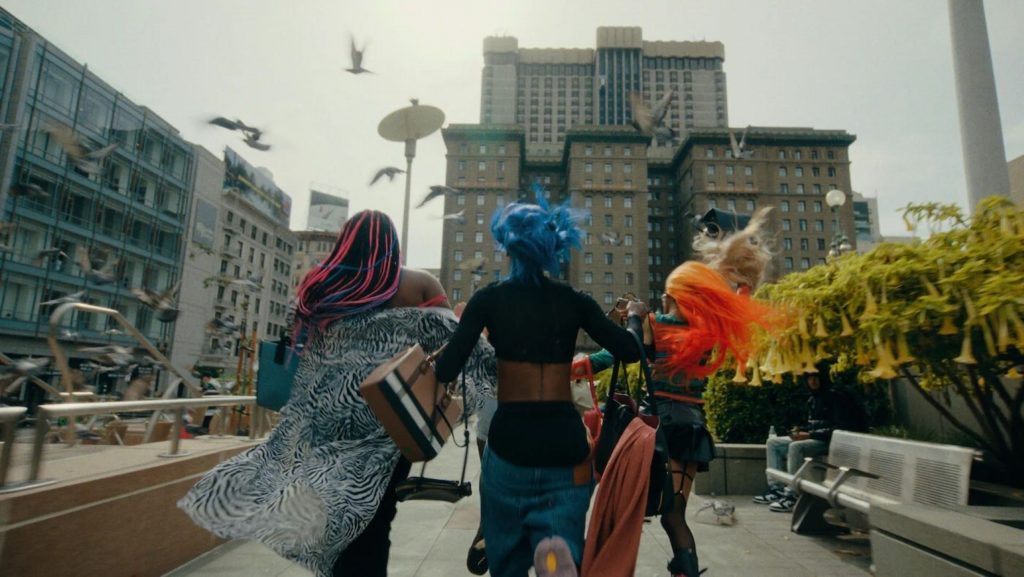
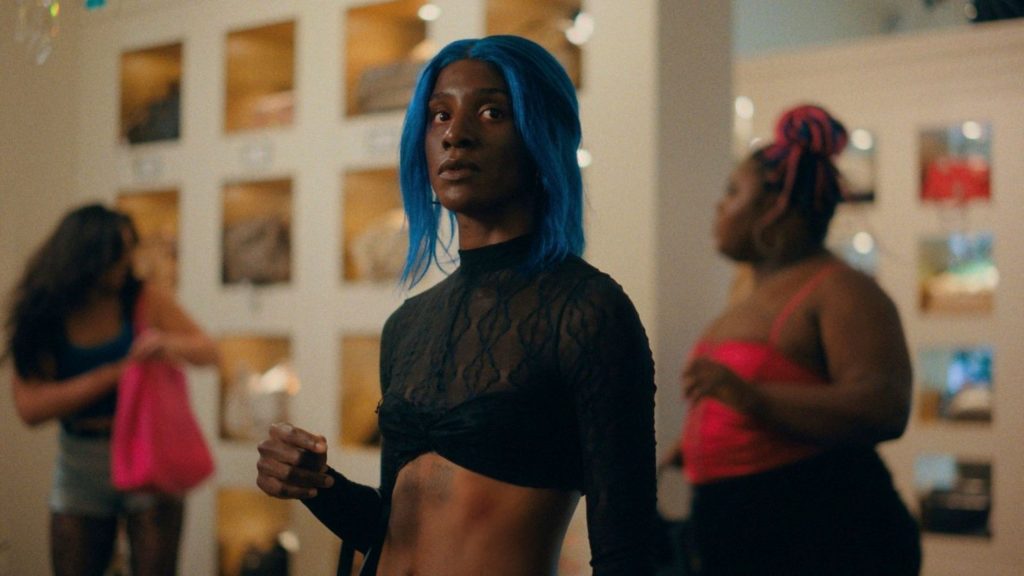
Most recently, I wrote and directed Rainbow Girls, a short film about a group of young Black trans women who push back against forces of gentrification and displacement in their community by staging a robbery targeting a luxury retail store in downtown San Francisco.
My directorial work has earned me the SFFILM Rainin Screenwriting Grant, the NewFest Emerging Black LGBTQ+ Filmmaker Award, and the Adrienne Shelly Foundation Award for Female Directors. Rainbow Girls has screened at more than 40 festivals globally, earning the Grand Jury Prize and Audience Award at NewFest, the Audience Award at the New Orleans Film Festival, and was a top-three finalist for the Iris Prize. I’m currently developing a feature adaptation.
What inspired you to become a filmmaker, and how has your heritage influenced your work?
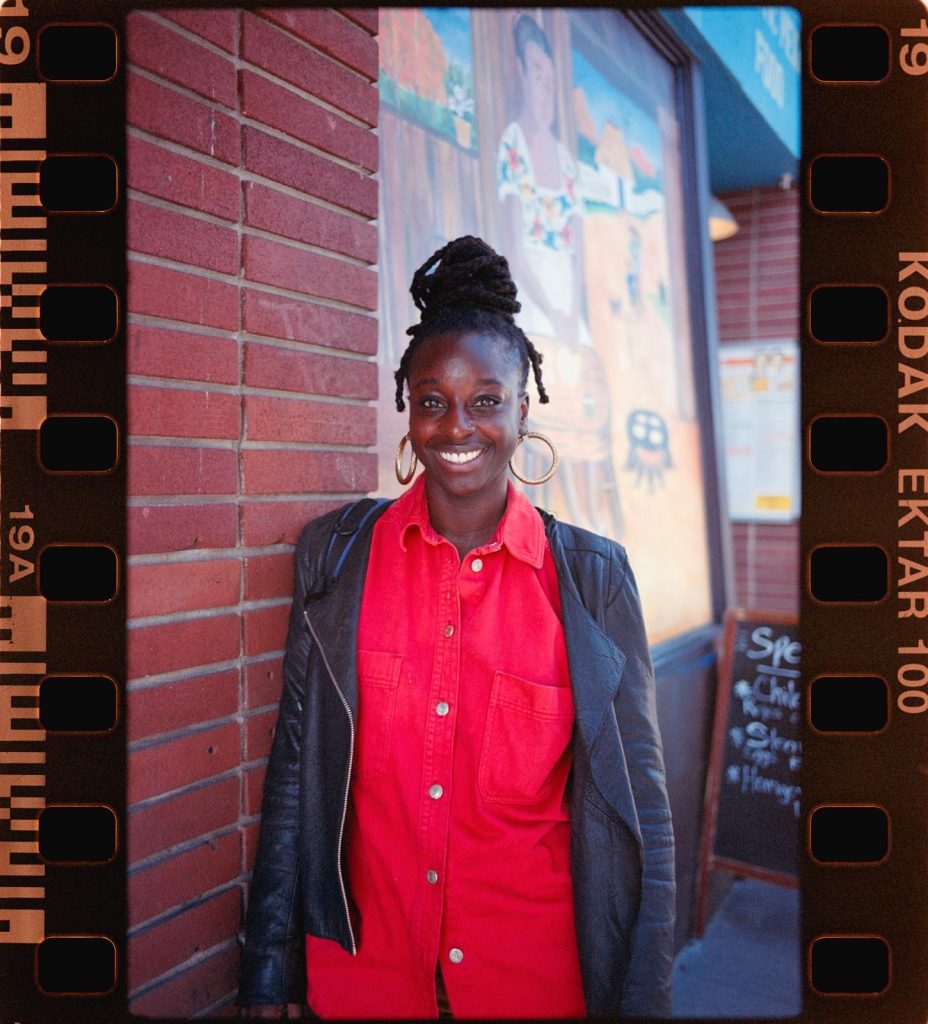
In many ways, filmmaking found me. I was living in Oakland, California–working in fundraising for social justice nonprofit organizations, while exploring my creativity outside of my “9 to 5” through writing groups, acting classes, and poetry performances at open mic nights. Eventually, a story came to me that wanted to be told on screen. Despite having no filmmaking experience, I chose to pursue the story, which eventually became Sprint—an anthology collection of my first short films. I fell in love with the entire scrappy, collaborative process of translating an idea that lived within me into a fully realized story that could be seen on screen. From there, I chose to pursue filmmaking wholeheartedly, enrolling in Columbia University’s Film MFA program, and I haven’t looked back since.
As a first generation Ghanaian-American, my lived experience is one that bridges cultural influences, and I think that shows up in my storytelling. As does my love of rich colors, dramatic twists and turns, and expressive music, which inform my creative choices.
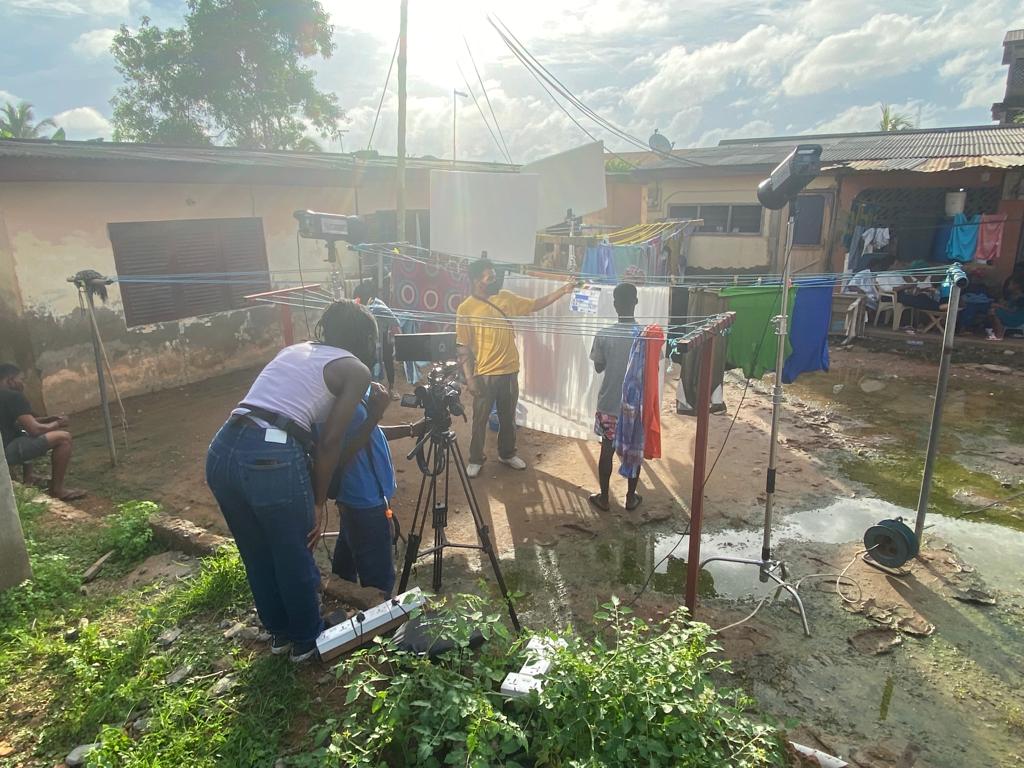
I’m often asked what my Ghanaian parents think of me pursuing a career in the arts. They’re my biggest supporters! My mother is the first cinephile I ever knew. Growing up, I’d watch her plant herself in front of the television and indulge in any and every type of film–from Blockbusters to foreign-language and independent films. One of my most treasured experiences as a filmmaker was getting to make a short film in Ghana with my Columbia classmates, and my mother on set everyday with us as the executive producer.
What challenges have you faced as a filmmaker of African origin, and how did you overcome them?
When I arrived at film school, we received a list of required and recommended films meant to create a common cinematic language and foundation for our class to learn from. There wasn’t a single film on that list made by an African filmmaker, and very few films made by Black or women filmmakers. Without being stated explicitly, it was made incredibly clear what kind of work was considered cinematic canon, and that the people who make that work are predominantly white and male.
For me, one of the most important things has been choosing to embrace and learn from the films on that list, while also remembering that I too have a canon. My canon includes African filmmakers, Black women filmmakers, music videos, independent films and commercial films that may be considered “low brow” to some. I take pride in this canon, which has uniquely informed my sensibility as a filmmaker.
Further, I think it’s been important for me to trust my lived experience as a valuable resource in my storytelling. One of my favorite Toni Morrison quotes states:
“I stood at the border, stood at the edge and claimed it as central. l claimed it as central, and let the rest of the world move over to where I was.”
It’s a philosophy that gives me confidence, and informs my choices as a storyteller, standing at the border, claiming my experience as central and inviting audiences to move in closer to where I stand.
What advice would you give to aspiring African filmmakers aiming to share their stories on a global stage?
I’ll give three pieces of advice:
Don’t wait for permission or until you feel like the work is “perfect” to begin making it and sharing it. Sure, be rigorous with your efforts. But there’s no such thing as perfect. Art is subjective and we must all start somewhere, so start!
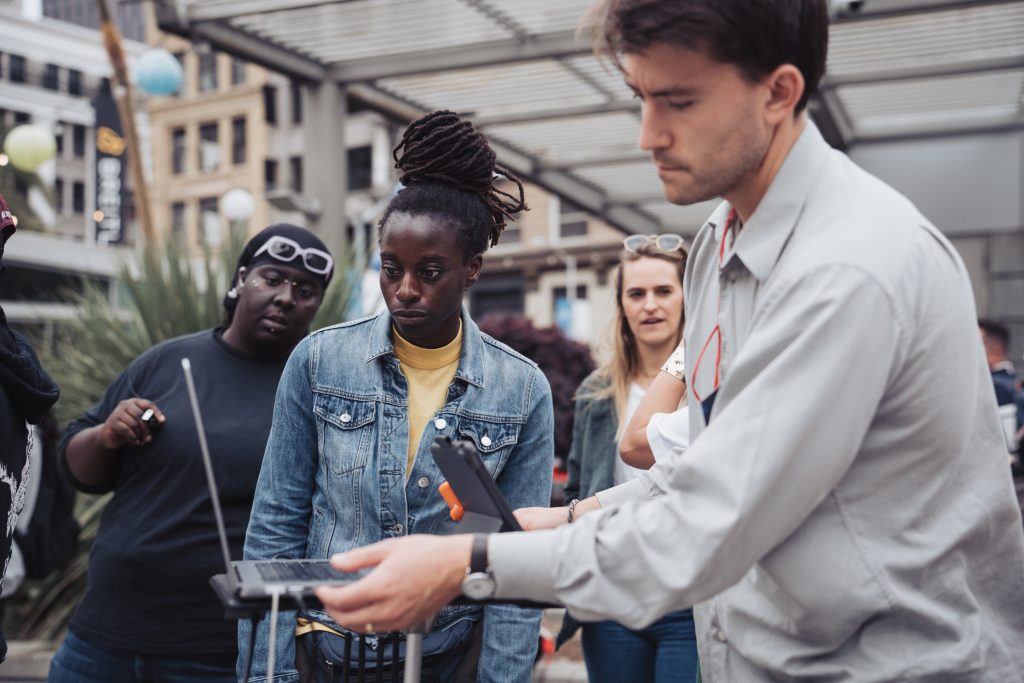
Your community is your greatest resource. I began making short films with my friends using borrowed equipment from their workplace, collaborating with actors willing to work for free, and using public spaces and locations from members of my community. Even as the projects have grown in scale and budget, I’ve continued to rely on my community to make every single project. When you have something that is exciting to you and you share your passion with others, you will find people who want to get involved. Invite them to join the party, and be a gracious host.
Apply for any and every opportunity you can that makes sense for your project, and learn to treat rejection as redirection. Those who know me know I’m constantly applying for grant opportunities, labs, festivals–which means I get a lot of rejection. I’ve come to understand this just means the opportunity is not for me right now. Maybe next year, maybe never. But applying to these opportunities helps you hone your skills to effectively communicate your work to those who are unfamiliar with it, and it gets your work in front of people, even if it’s not selected. With that in mind, your efforts are never in vain. Eventually, you will hear yes, and you will be all the more prepared to take advantage of the opportunity.