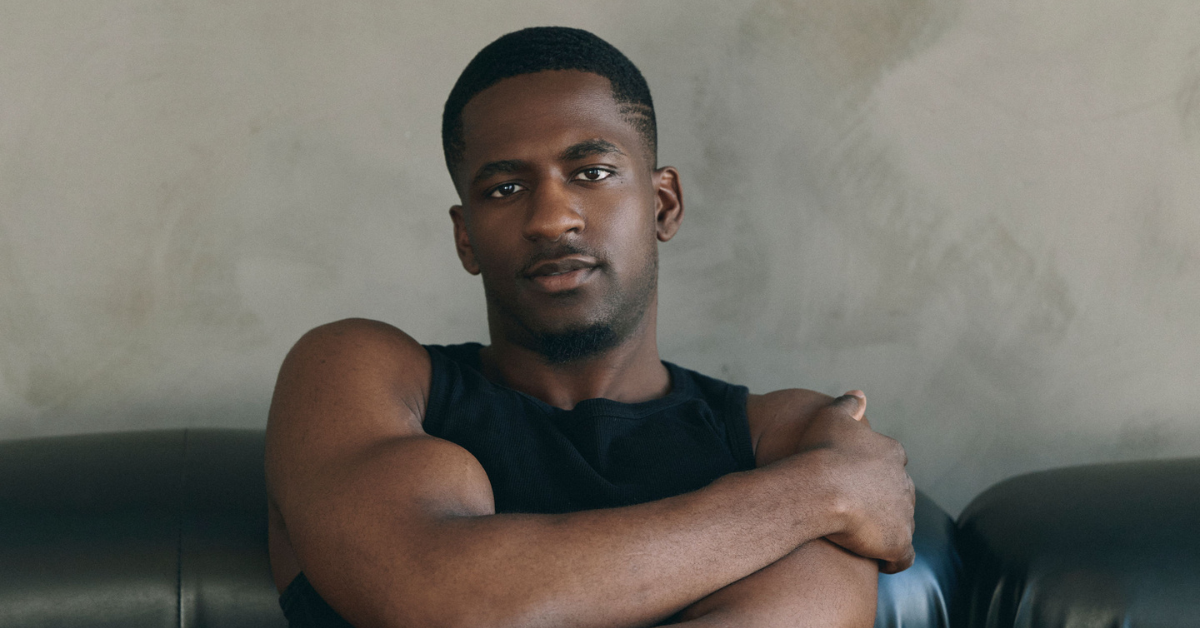
Tell us about yourself…
I was born in the US, spent a few years living in Africa, and then came back to be raised mostly here; so my life has been a consistent battle between identities, and not just culturally.
Professionally too. I spent years in management consulting, working with companies like Wells Fargo, Mayo Clinic, and Meta, but I’ve also worked as an executive in entertainment, sports, media, and marketing — leading campaign strategy across major moments like the Super Bowl. And all the way to development and production at the studio level at BET and Paramount.
I’m an actor, creative director, and strategist building my company, BYSON, as a home for my film, TV, and brand work, while continuing to make an impact across brand strategy, media, digital, and fashion.
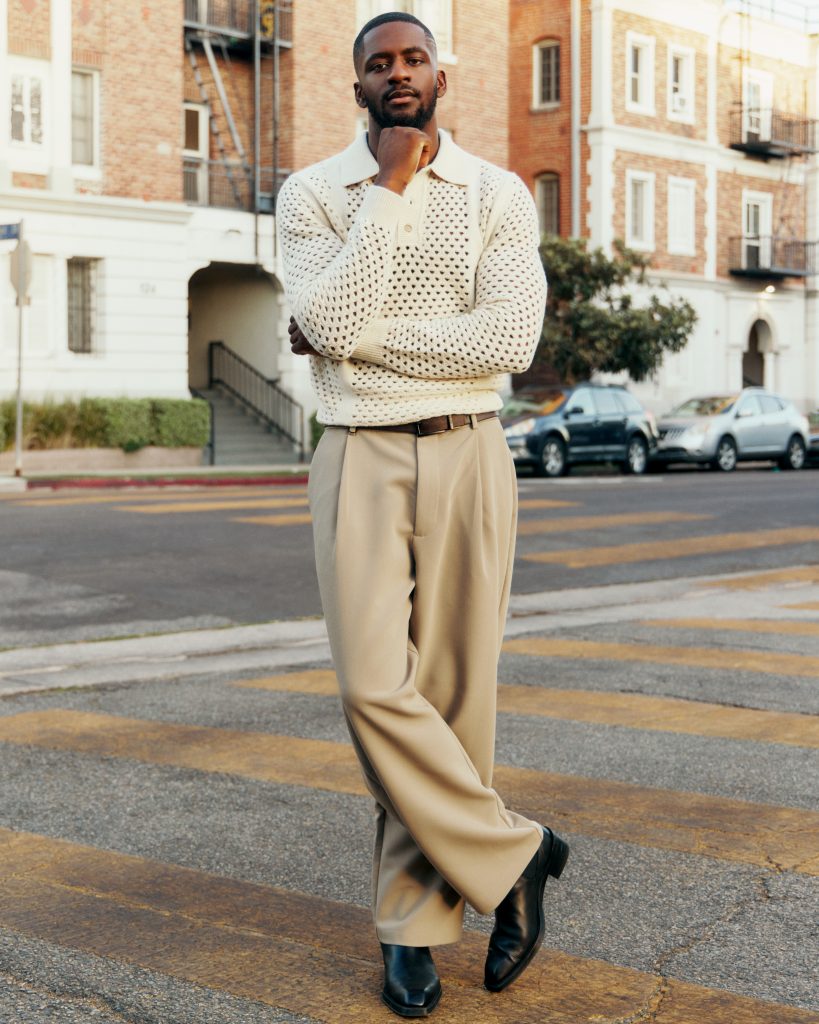
What inspired you to become a filmmaker, and how has your heritage influenced your work?
Growing up, my mom wanted my brother and me focused on our studies, so she limited our TV time. To fill that void, my brother and I turned to imagination and play — we’d build characters and entire worlds for them that we followed for years. That was my version of escape, and I loved it.
As I got older, the play diminished, but film was a way to continue that. Film also became this really interesting investigative medium for me — when I started having questions about myself and my identity, I turned to film to explore them creatively.
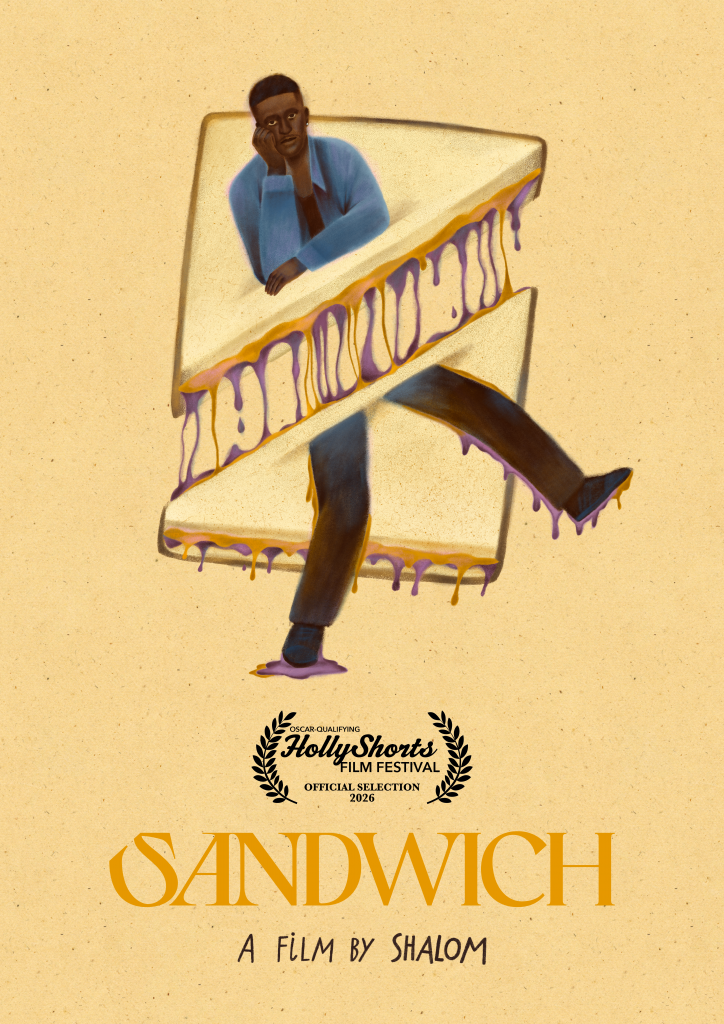
My heritage has shaped my work mainly through the questions it raises; how I fit in across different cultures has been at the core of my most personal work, including my latest film, SANDWICH. That questioning shows up across a lot of what I make, even when it’s not directly cultural — often it’s a cultural dynamic that’s being investigated or questioned and then extrapolated to something else.
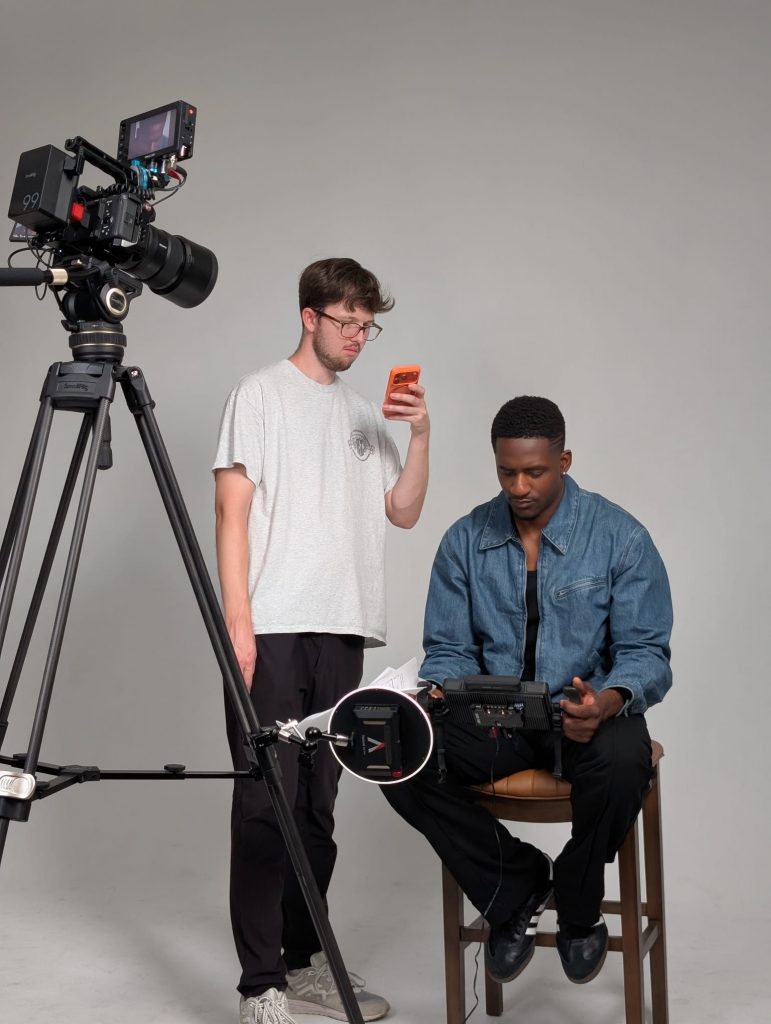
What challenges have you faced as a filmmaker of African origin, and how did you overcome them?
I’d narrow this to the challenges I’ve faced as a filmmaker of African origin in the United States specifically — because that’s a specific tension. You want to tell African stories, you want to tell American stories, and sometimes it feels like you have to pick one. You don’t always know how that plays out when you’re inspired by one culture but physically living in another, or vice versa. That’s something I’ve had to navigate.
How I overcame it was by not letting what’s expected of me become the box I work inside. Instead, I just speak from exactly where I am in that exact moment and let whatever it turns out to be, be.
What advice would you give to aspiring African filmmakers aiming to share their stories on a global stage?
Tell the most specific version of your story that you possibly can. When you try to appeal to a “global stage,” it usually starts with how you imagine other people will perceive it — and that almost always ends up flat. That could’ve come from anyone’s mind.
The only way to really reach the most people is by being specific. I always say: the more personal you are, the more universal you become.