Tell us about yourself…
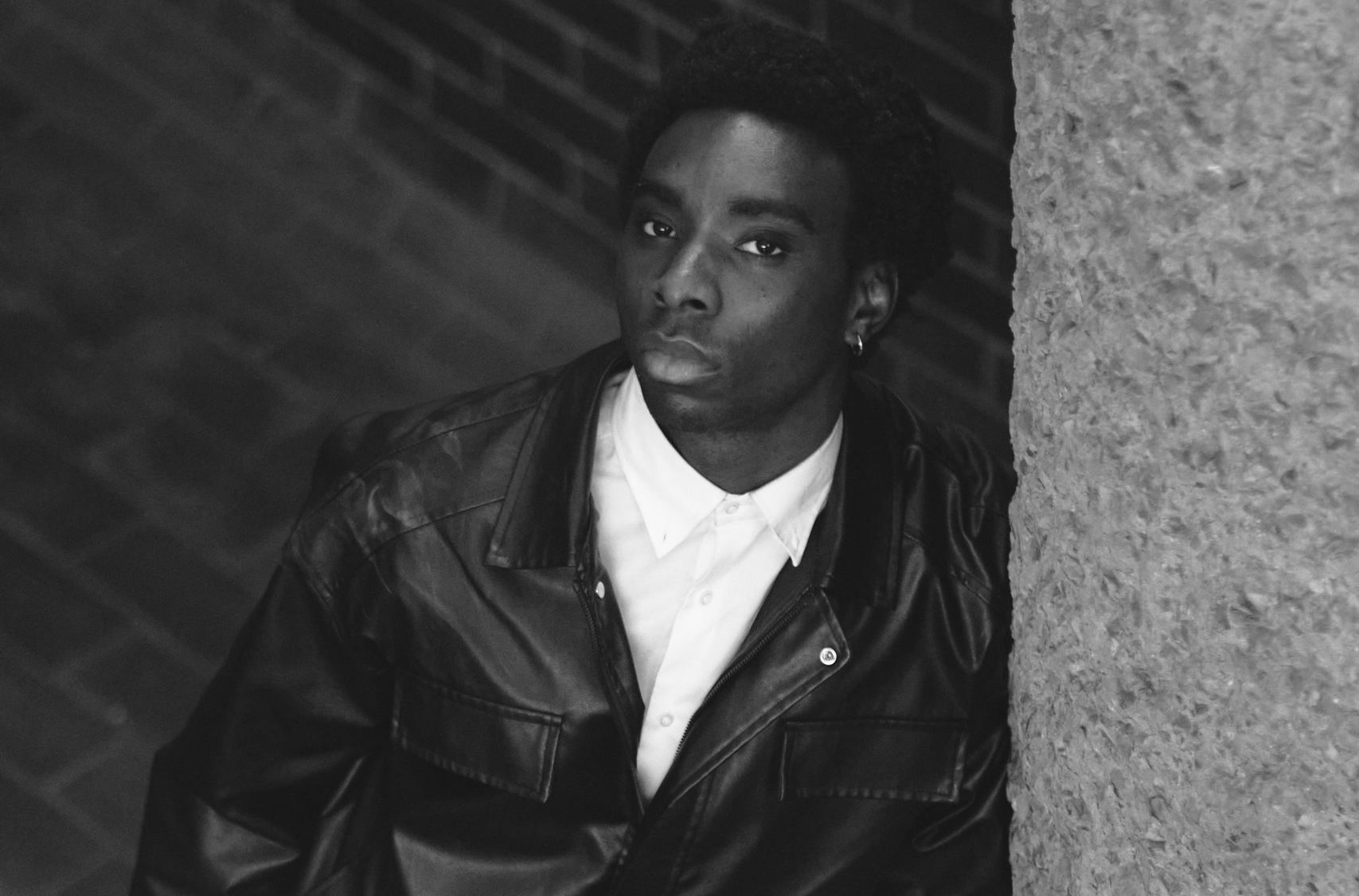
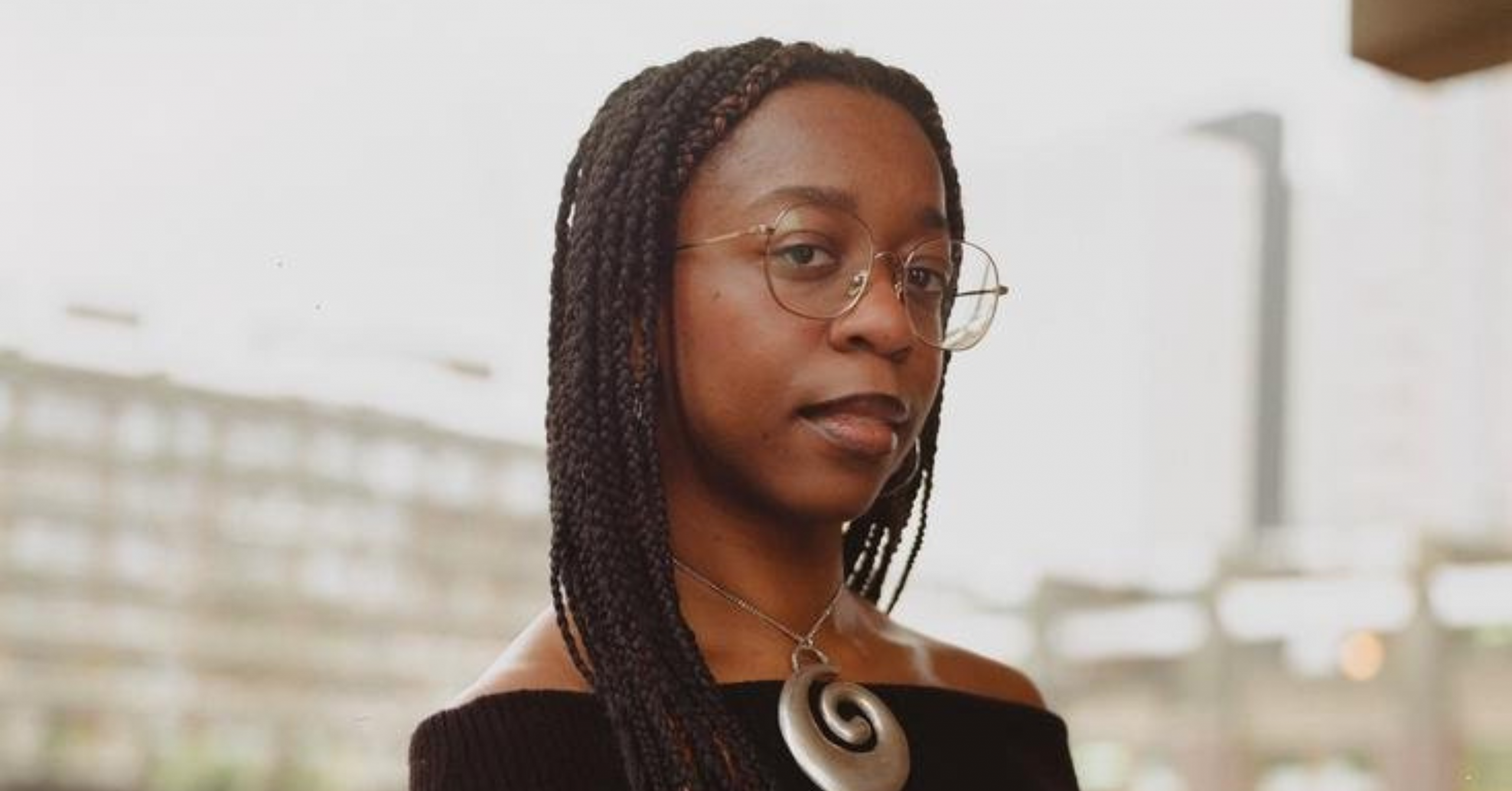
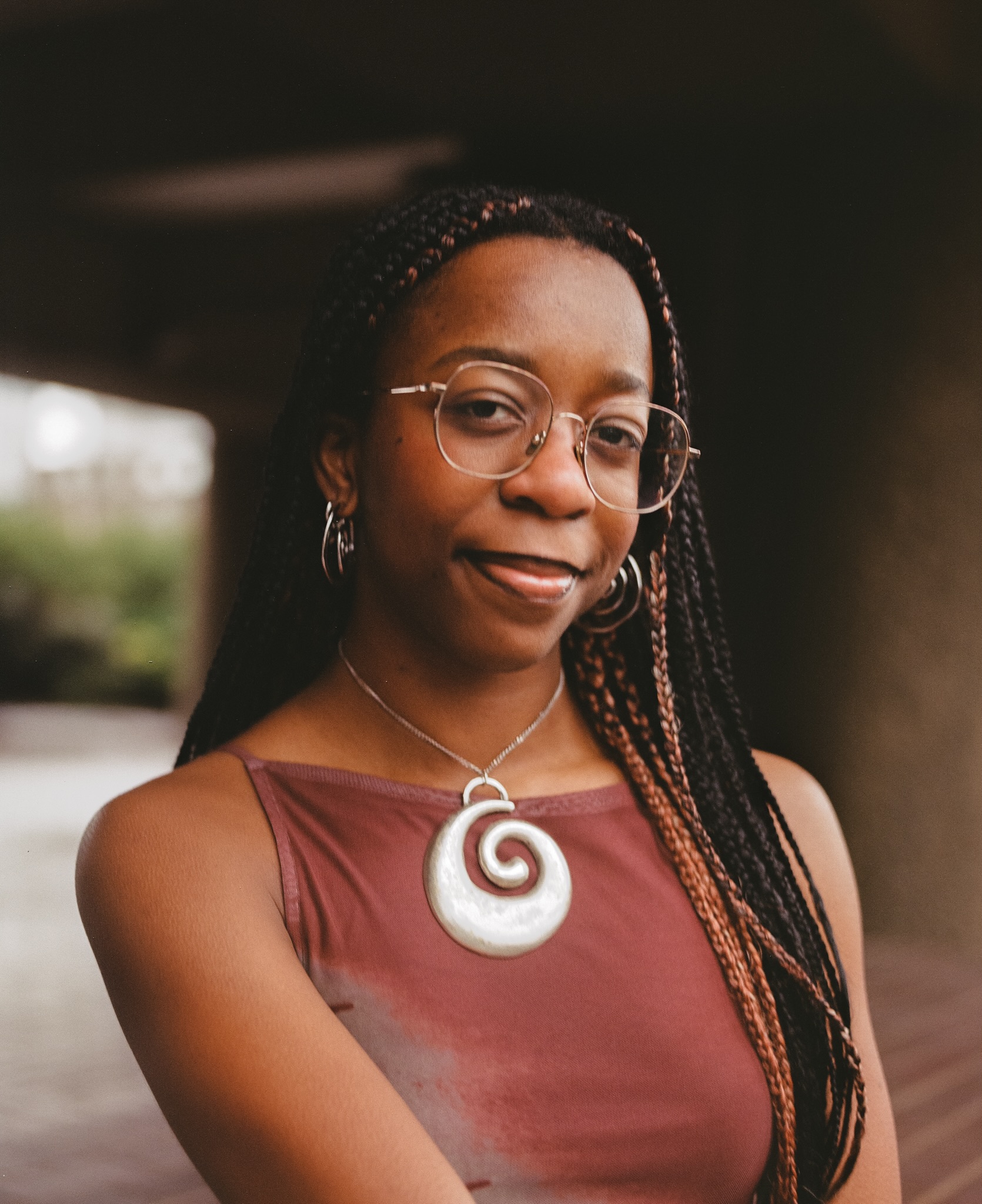
My name is Chioma Ejimofo. I am a Director & Writer of Nigerian and Jamaican heritage, based in London. I work across various mediums, from photography to fine art, with a particular focus on film.
I draw inspiration from a range of sources, including music (especially bossa nova and jazz), as well as the people I meet and the places I visit. My work focuses on memory, heartbreak, nostalgia and human connection. I enjoy telling the stories of the underrepresented, and I love focusing on the small, mundane moments, finding unique ways to highlight them.
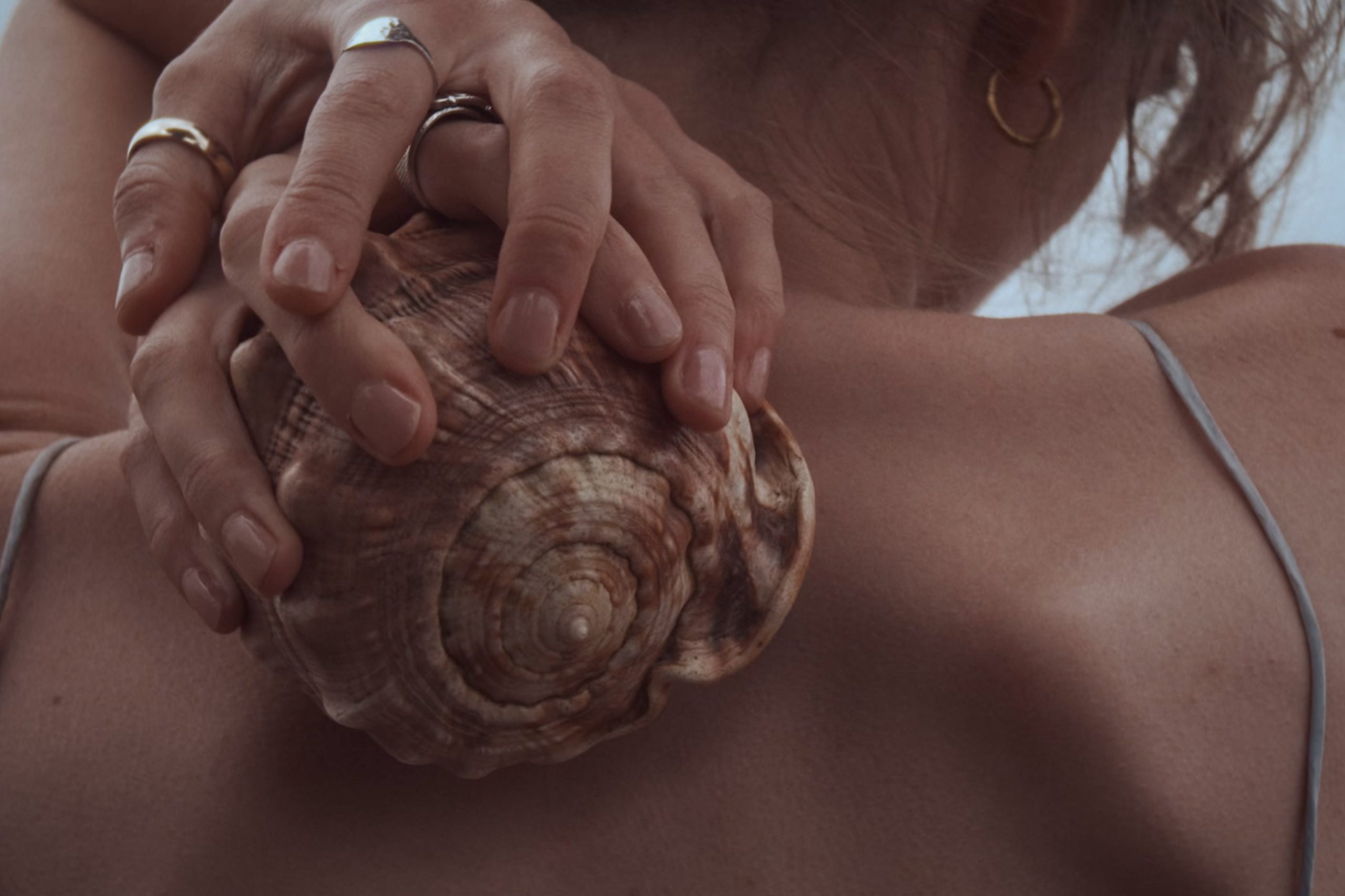
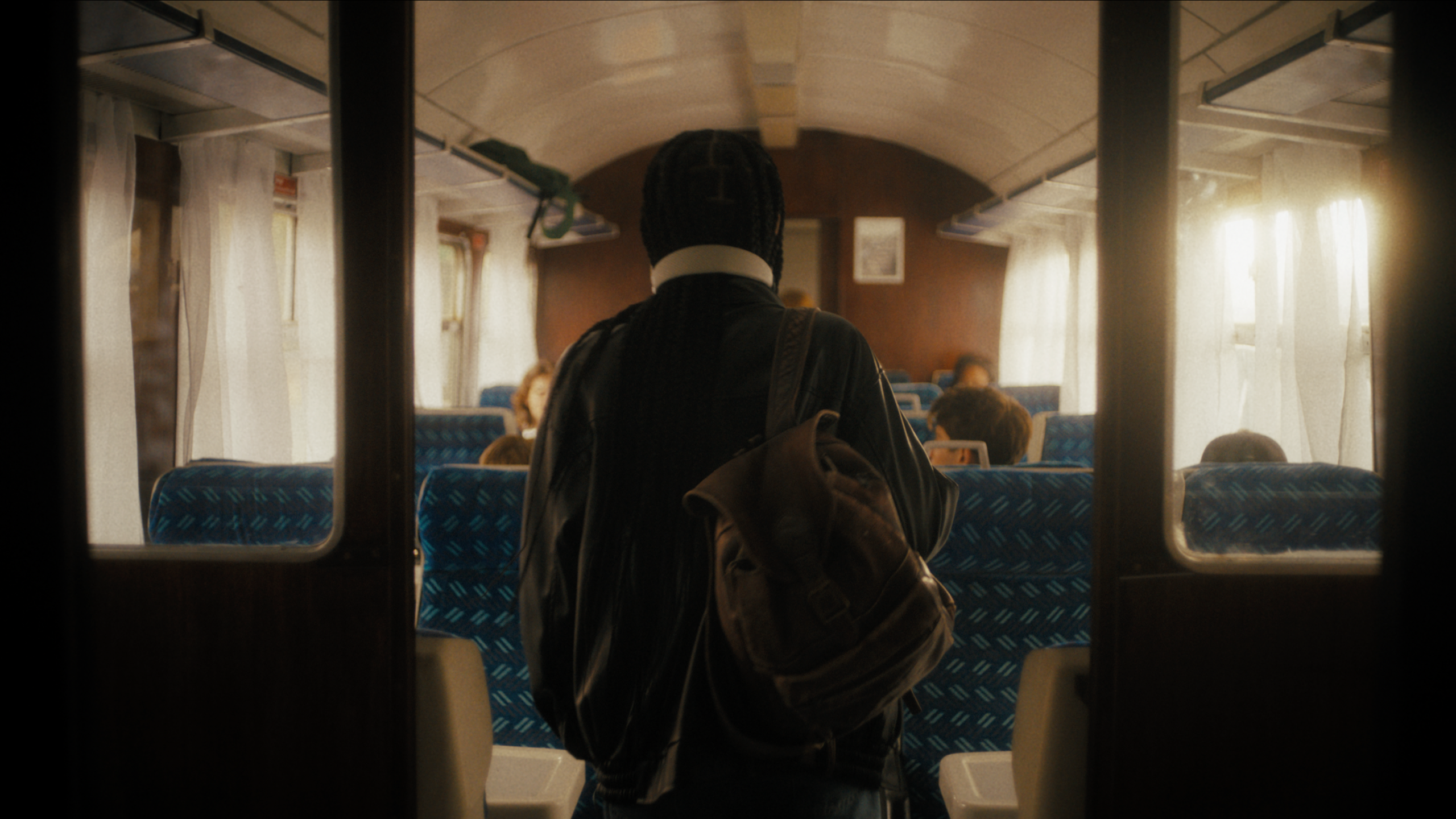
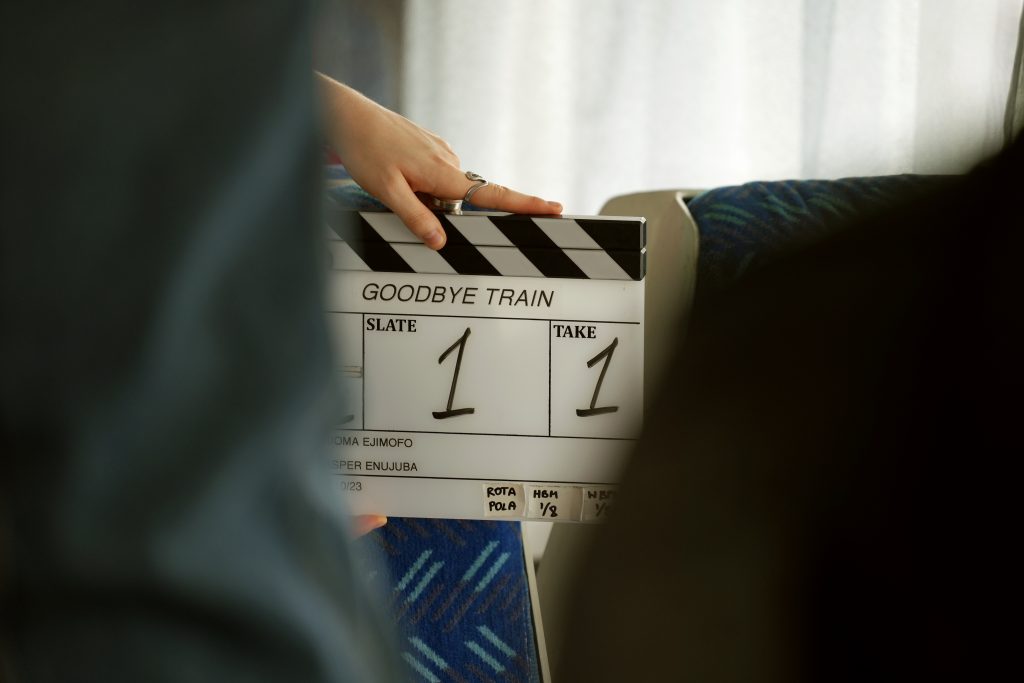
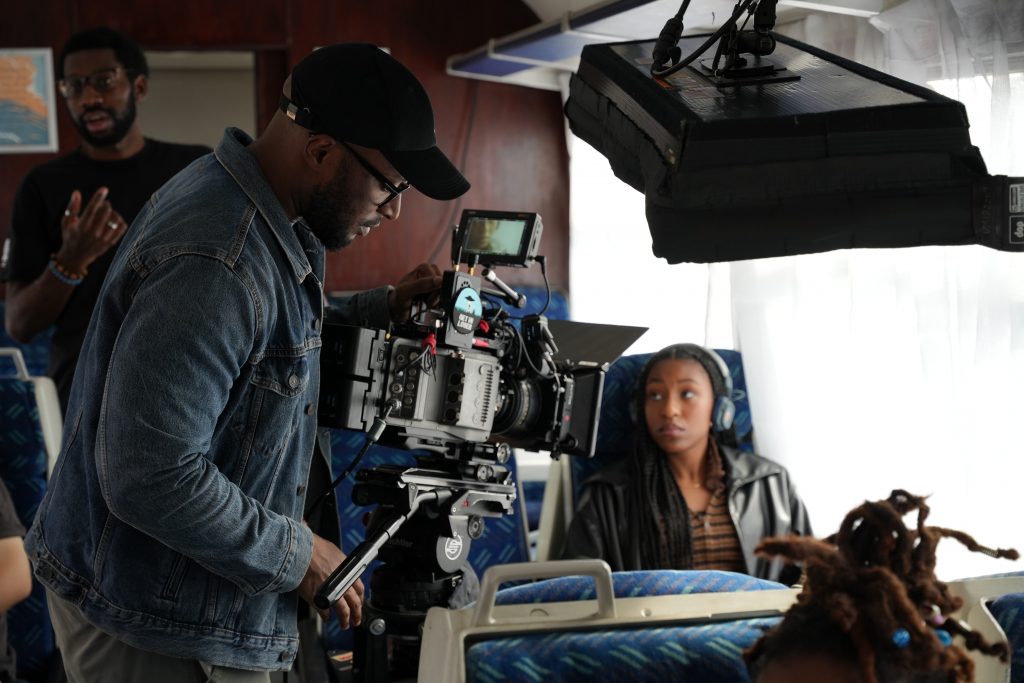
I began my career in Film & TV as a runner for a commercial production company before moving into production assistant roles in reality and broadcast television and Director’s Assistant roles on brand campaigns and feature films. My debut short film, ‘Goodbye Train’, was selected for the Roundhouse Film Fund in 2023 and has recently concluded its film festival run, achieving some awards! It is now available to stream on Minute Shorts. Last year, I wrote and directed a short poetry film called ‘Mollusca’, which I directed with a bunch of friends in one of my favourite places on the south coast. It just premiered on Girls in Film. I am also in pre-production for my next short film, ‘Arlo’s Last Day,’ which is a coming-of-age story centred around ballet. I am also developing a new short film called ‘Bush Girl’, which explores notions of identity and desire.
What inspired you to become a filmmaker, and how has your heritage influenced your work?
I have loved film and filmmaking from an early age. My older sister introduced me to Studio Ghibli and Sofia Coppola. My parents would always take me to the cinema, and I loved every moment, immersing myself in new worlds. I have always had a big imagination, so I could visualise my own films easily in daydreams.
As I got older, I especially loved stories that fearlessly explored female-centred narratives like Fish Tank, Atlantics and Persepolis, spotlighting their imperfections and vulnerabilities. I was so excited by female filmmakers. I used my family’s VHS camera to film short stories with my younger sister, capturing everything and piecing stories together like the ones that inspired me. I used way too much printer paper to make “scripts”, stapling them together and bringing them into school.
I often felt frustrated as I got older, watching films that deeply resonated with me, but rarely featuring people who looked like me. I loved seeing the rise in black-centred TV shows like I May Destroy You and Insecure, and I found myself wanting to create more stories to fill the gap.
My heritage always plays a part; every story I write has some aspect, even if it’s minuscule, of myself in it. Goodbye Train was inspired by my journeys from university, transitioning into adulthood, and the “otherness” I sometimes felt as a black woman there. I have just finished writing my new short film ‘Bush Girl’, the title taken from Nigerian English that I would hear alongside other phrases as I grew up. The lead character has an Igbo name, and while the film leans more into the absurd, I found deep inspiration from my heritage and culture for it.
I visited the Nigerian Modernism exhibition this year at the Tate, and I felt so proud and inspired, seeing the art of thousands of creatives that share my heritage. My dream for the future is to tell more stories where my ancestry and heritage is woven into the music, the visuals and characters in unique ways.
What challenges have you faced as a filmmaker of African origin, and how did you overcome them?
I believe the biggest challenge I still face is convincing others that my stories are worth sharing. Even myself. Often, this industry can push for that level of self-doubt and the notion that African-led stories aren’t appreciated by mainstream audiences.
I think many Black and POC filmmakers can relate to that struggle, or feeling like they have to tell a particular kind of story to even have a chance of getting it made. This is something I am constantly learning, but I try to overcome it by frequently and confidently speaking about my films and creating them in any way I can.
What advice would you give to aspiring African filmmakers aiming to share their stories on a global stage?
Find and engage with your community whenever you can! Support other African filmmakers, share their work and film funds, and talk about their stories. It’s an amazing way to create your own audience and get them excited about your work, too. Go to screenings (Minute shorts do amazing ones, but also look out for local and community-led ones) and see what’s being made, reach out to people and those that inspire you, watch their work, try and see what’s out there and stay open and inspired.
You may be waiting to hear back from a short film competition or film fund; in the meantime, write, shoot, and practise. Make a film with no budget with your friends in a day, edit old footage, or if you’re a writer, keep the notes app handy at all times and glean inspiration from the everyday.
Take the risk and talk about your ideas confidently. Never think your idea is too small or niche to be loved or enjoyed. There will be moments of rejection and times when your progression feels slow; lean into those times and use them as motivation. But never be afraid to take a break and let your thoughts sit. Post your finished films, even if there are things you didn’t love about them, or you’re shy, you never know who is out there watching that may connect with it.