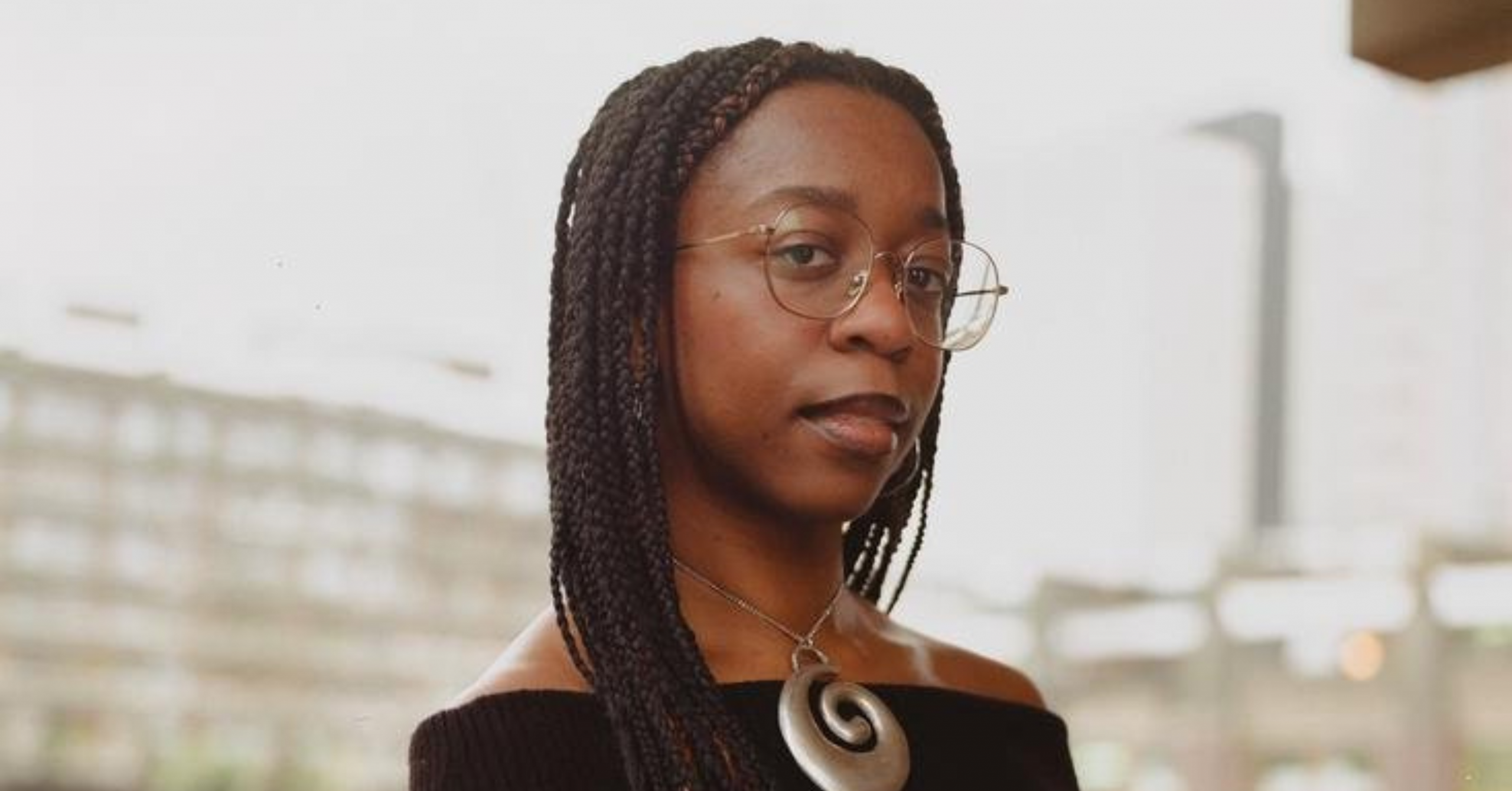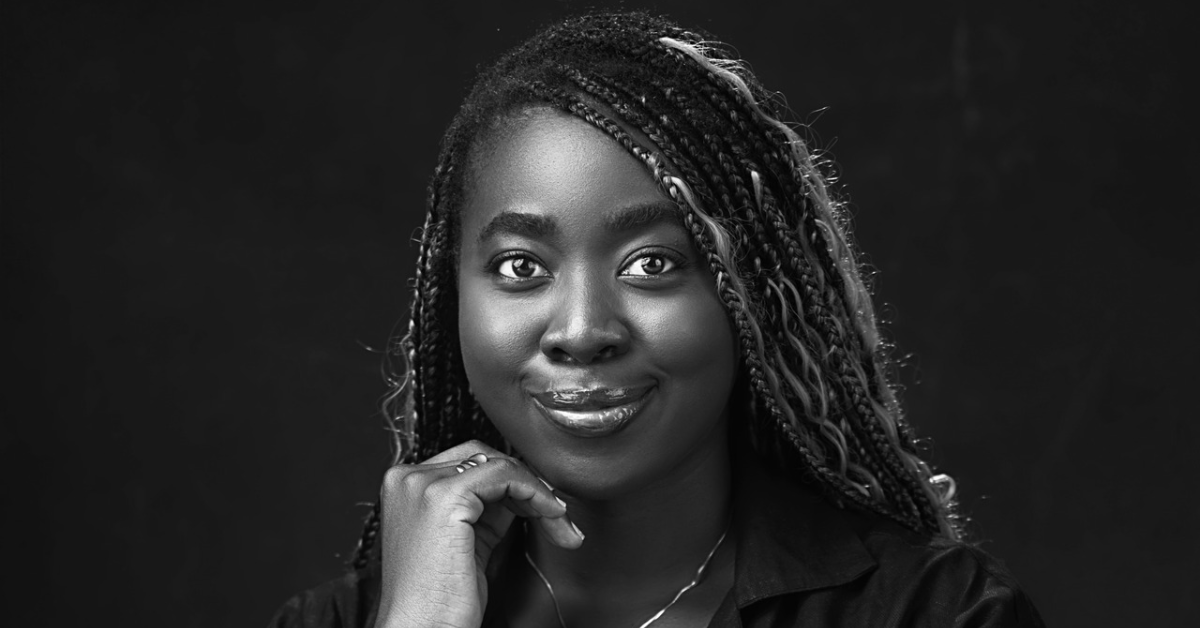
For those meeting you for the first time, who is Chinazaekpere Chukwu, and what pulled you toward screen storytelling?
I’m a filmmaker, writer and director. I studied Computer Science, but I eventually found my way into filmmaking through the EbonyLife Creative Academy in 2021. Before then, I knew I wanted to make films, but I didn’t quite know how.
I’ve since worked across writing, story development and directing, and I’ve found that I’m particularly drawn to stories about people, their choices and the circumstances that shape their lives.
I’m interested in the things that happen to ordinary people and what those experiences reveal about being human.
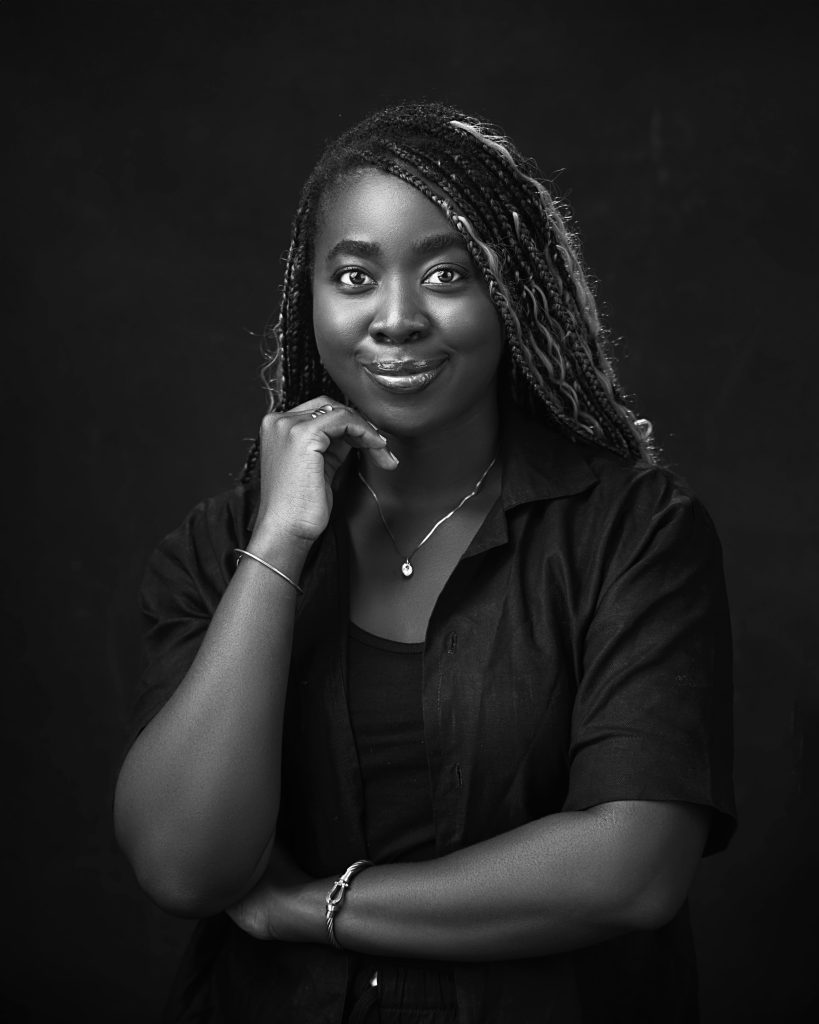
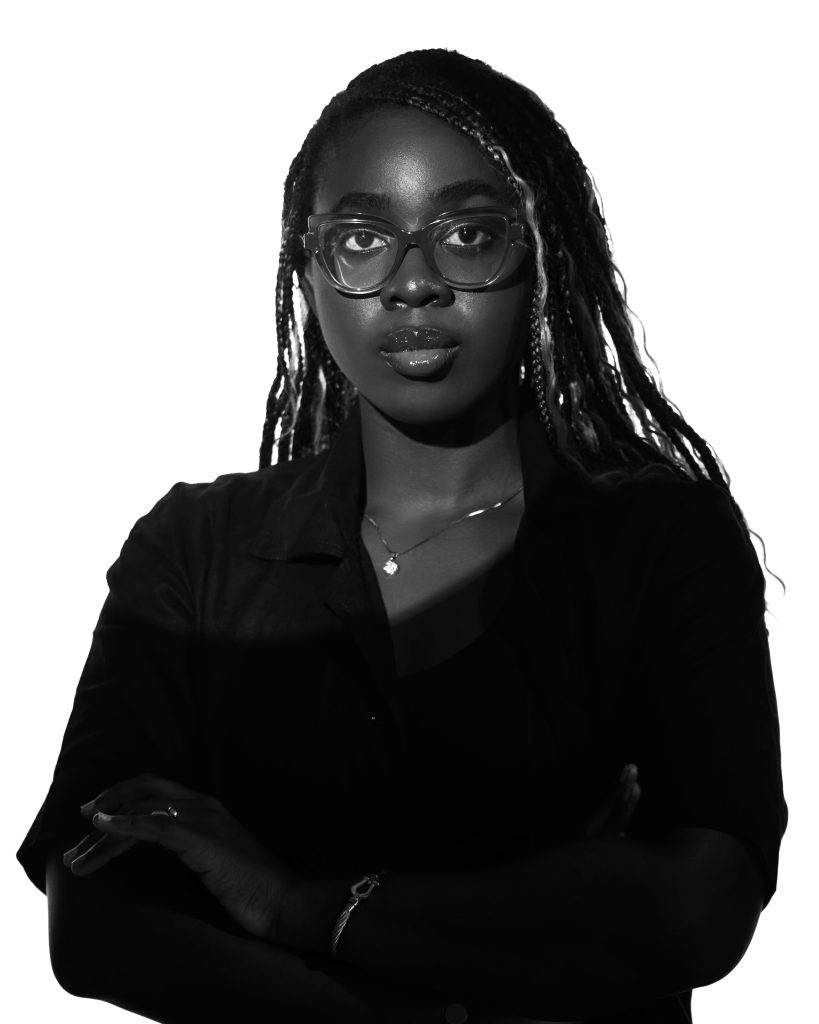
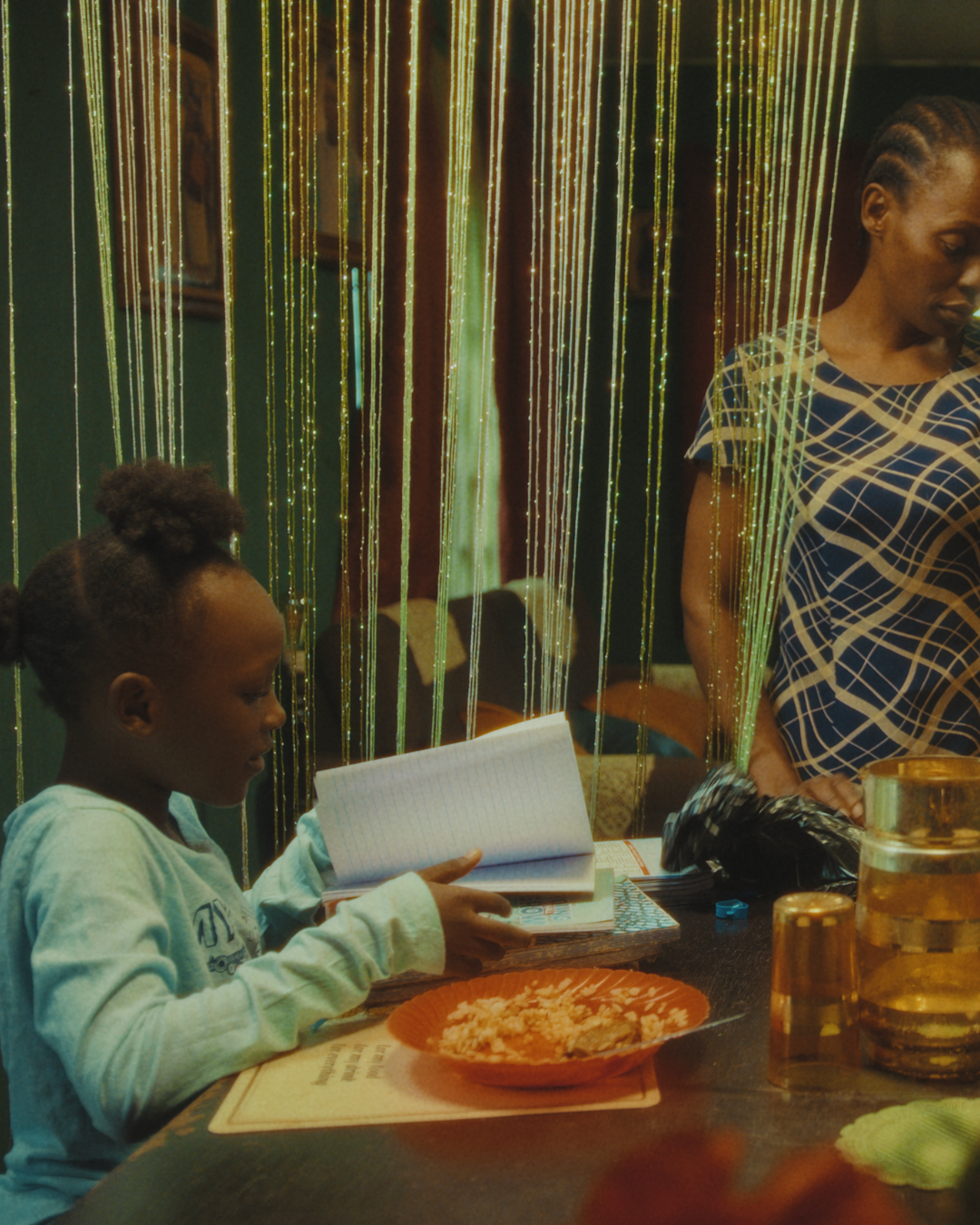
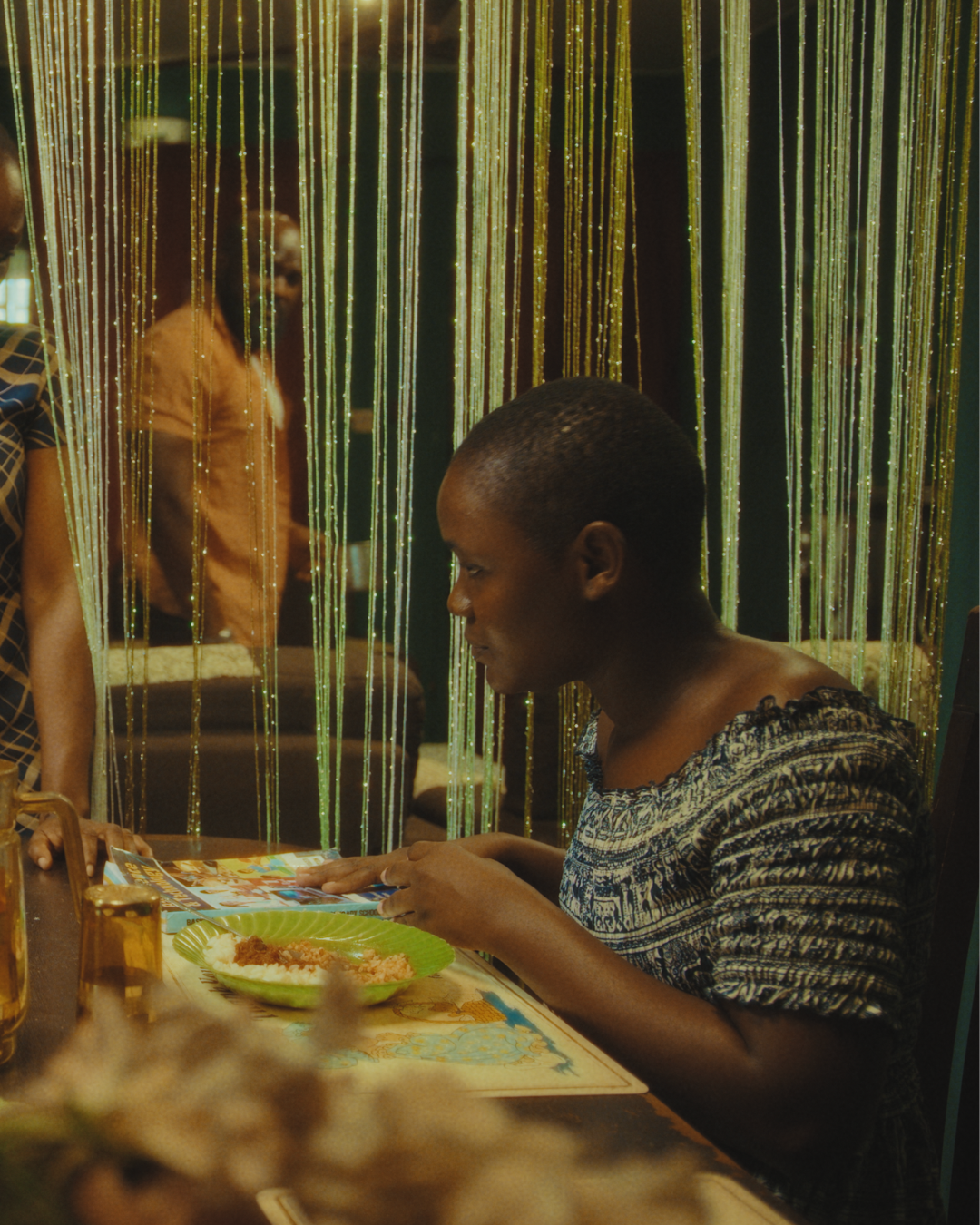
Her Daughters’ Mother follows a woman rebuilding her life for her daughters. Why was Ejiro’s story the right one for your first feature?
I was drawn to the question of what freedom means for a woman whose life has largely been decided by other people.
Ejiro is married off at sixteen, becomes a mother, loses her husband and attempts to rebuild her life. But even in trying to start over, she finds herself negotiating another set of expectations.
I thought there was something interesting about exploring a woman who wants to make choices for herself but whose circumstances don’t always allow her that freedom.
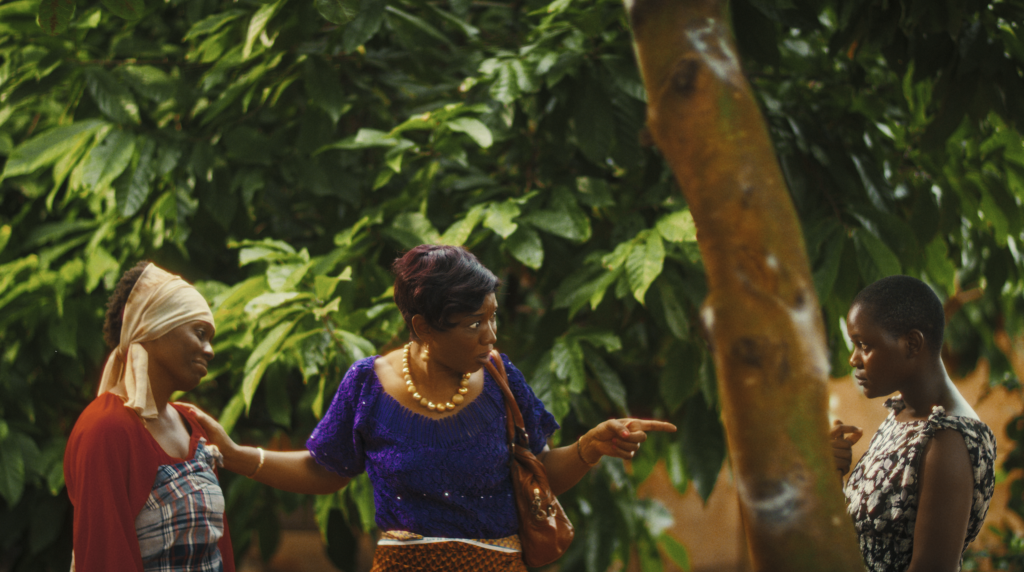
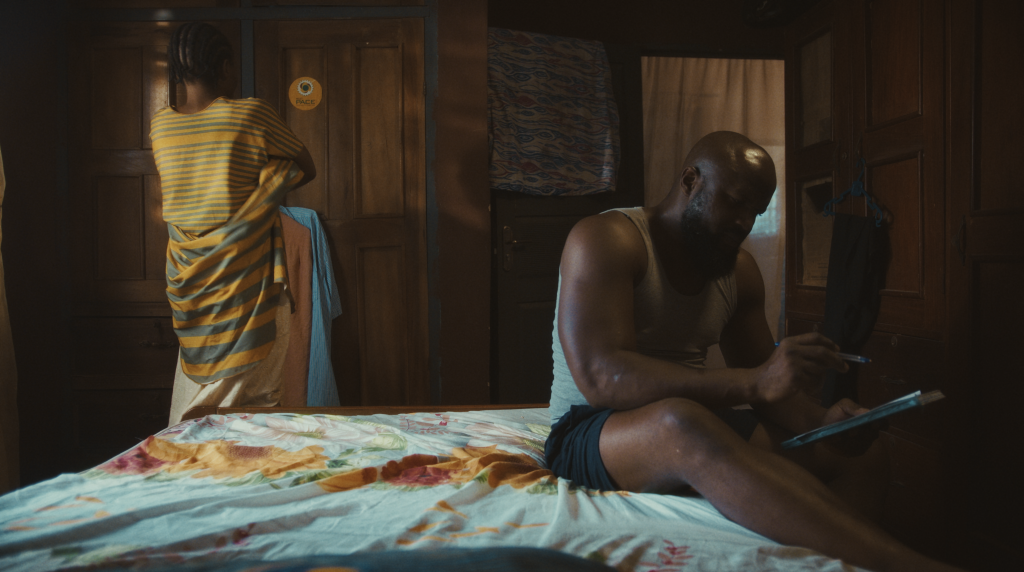
Ejiro’s sacrifices go unseen by her daughter. What did you want audiences to understand about the quiet things mothers carry?
I think there is often a gap between what a mother intends and what her child understands. Sometimes, the decisions made out of love or a desire to protect can be misunderstood by the very people they are meant to protect.
But I also wanted to remember that mothers are human beings outside of motherhood. They have their own desires, fears and limitations.
I hope the film encourages a little more empathy, without suggesting that motherhood or sacrifice is always uncomplicated.
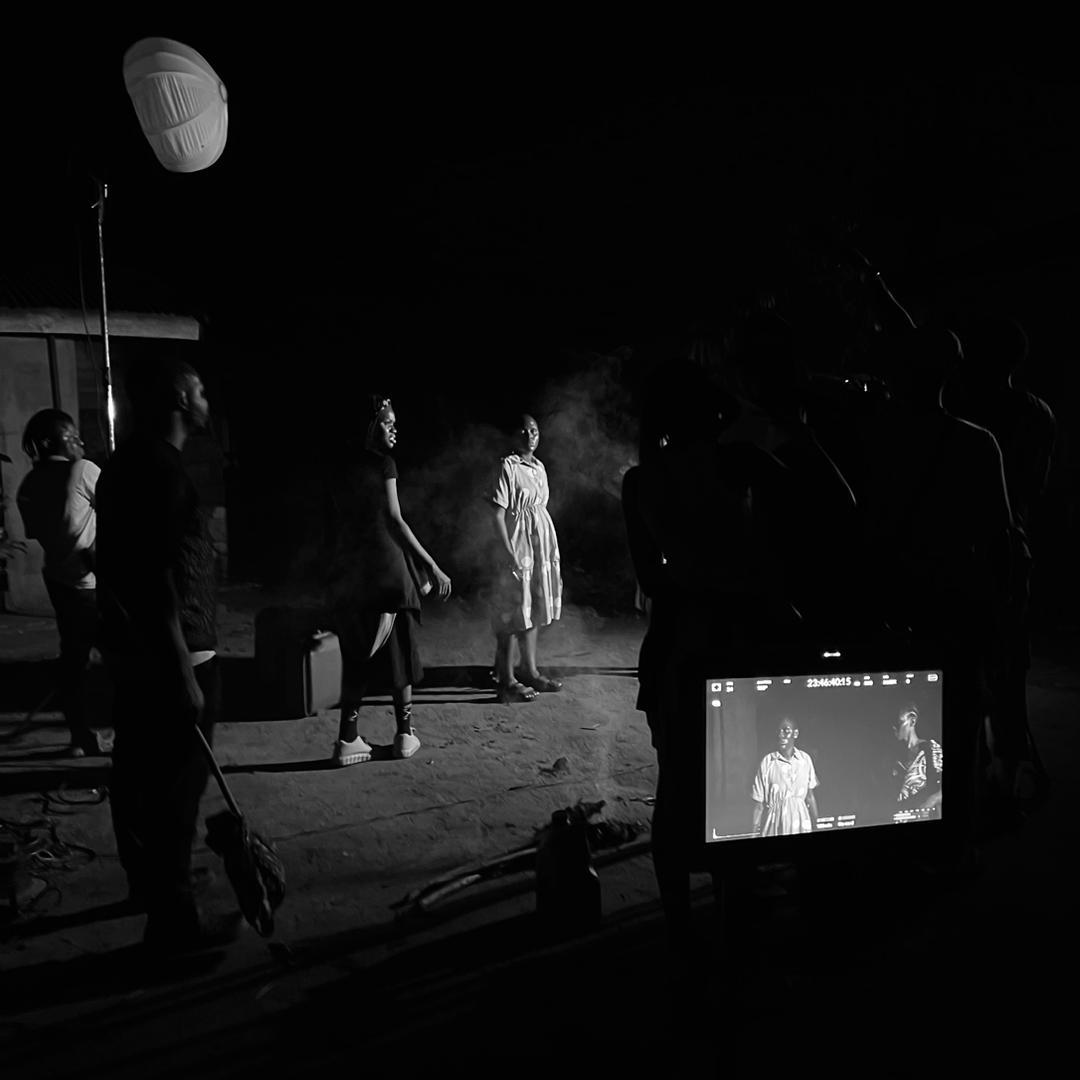
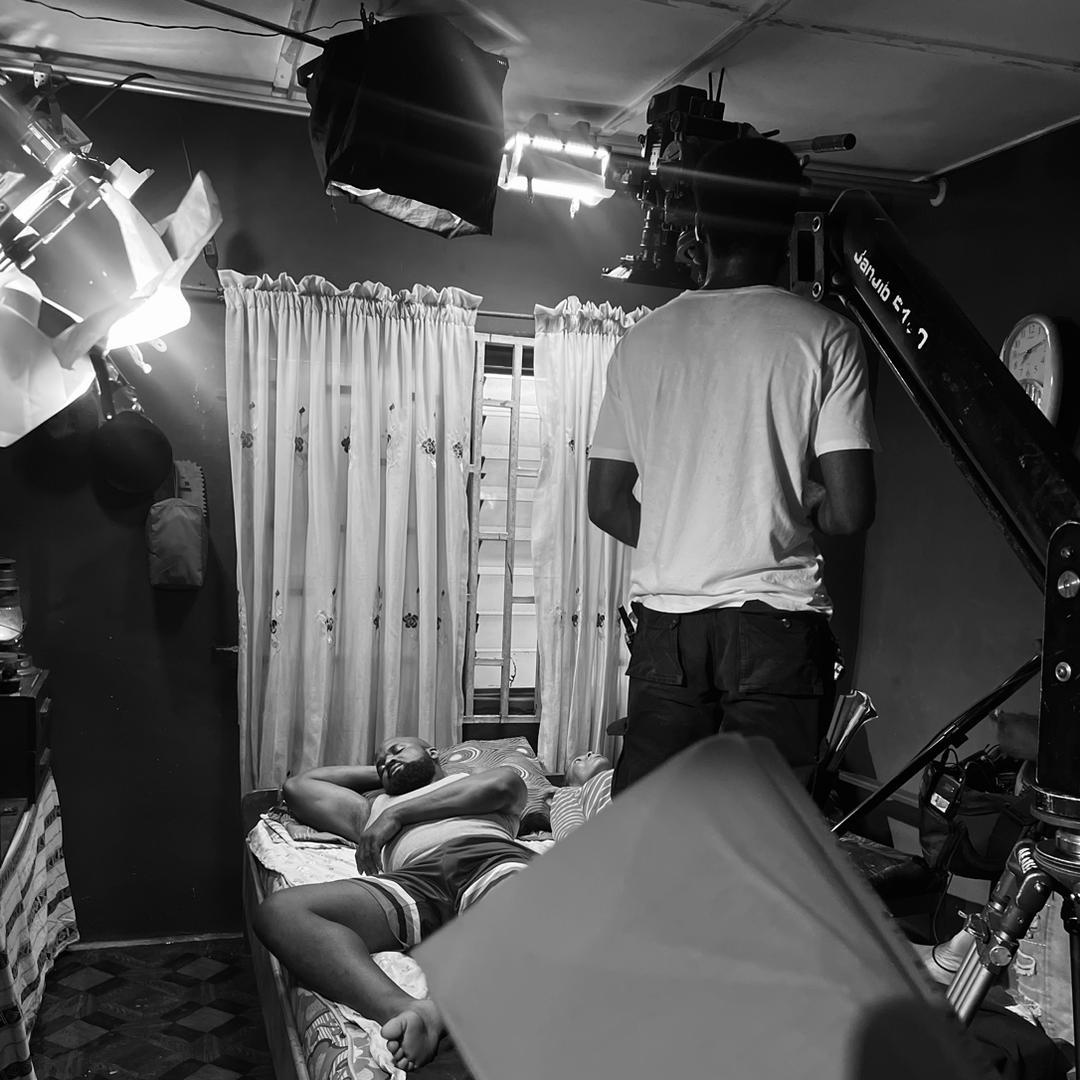
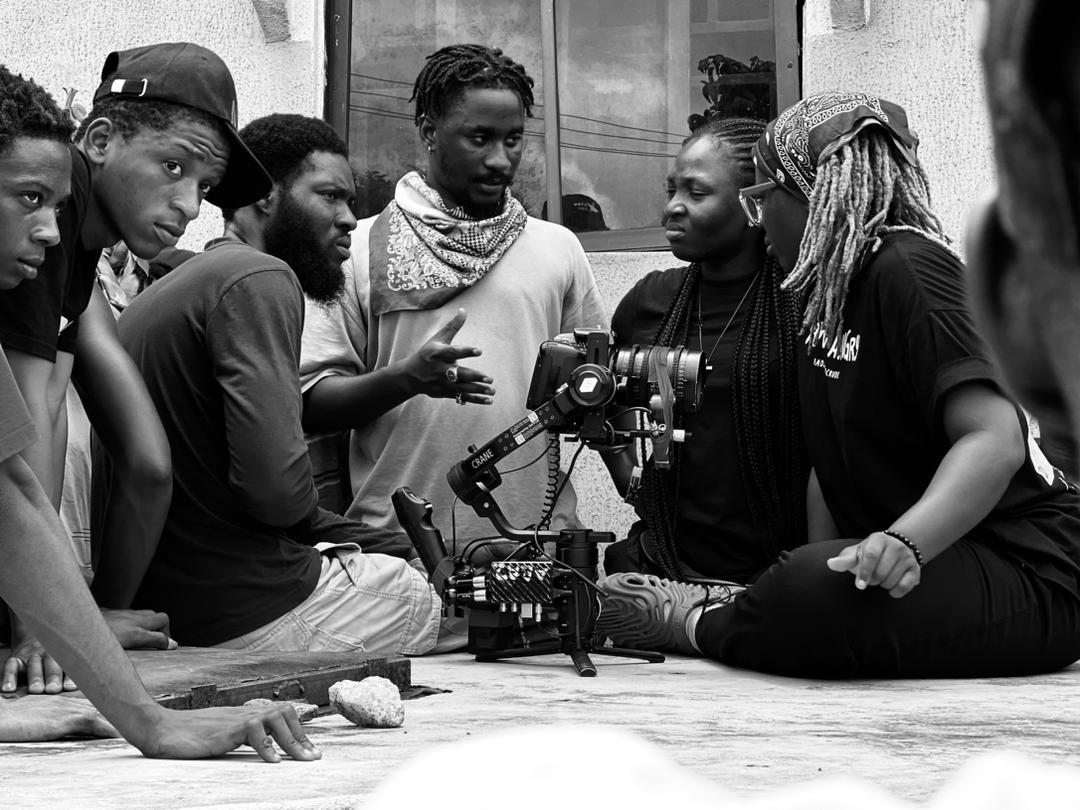
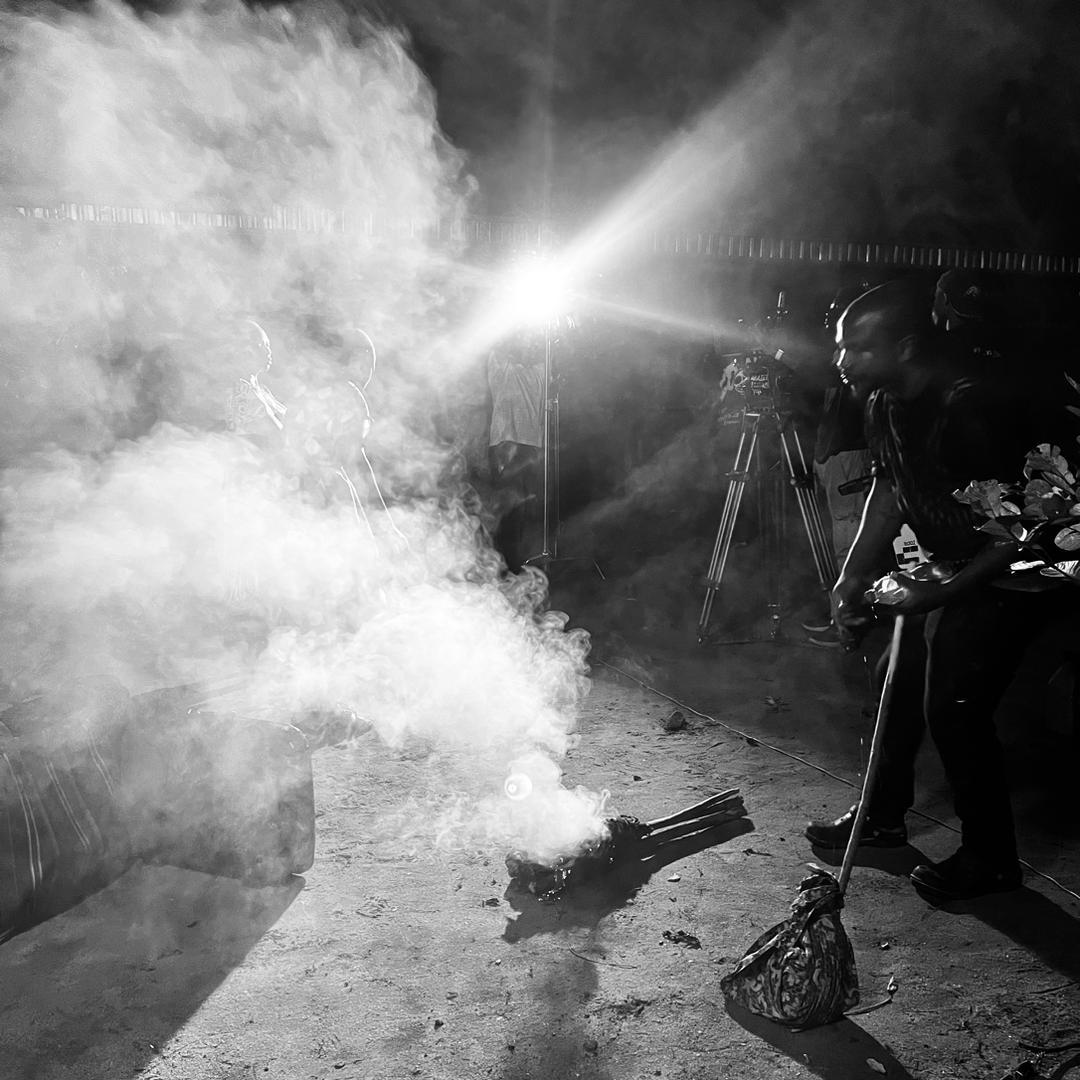
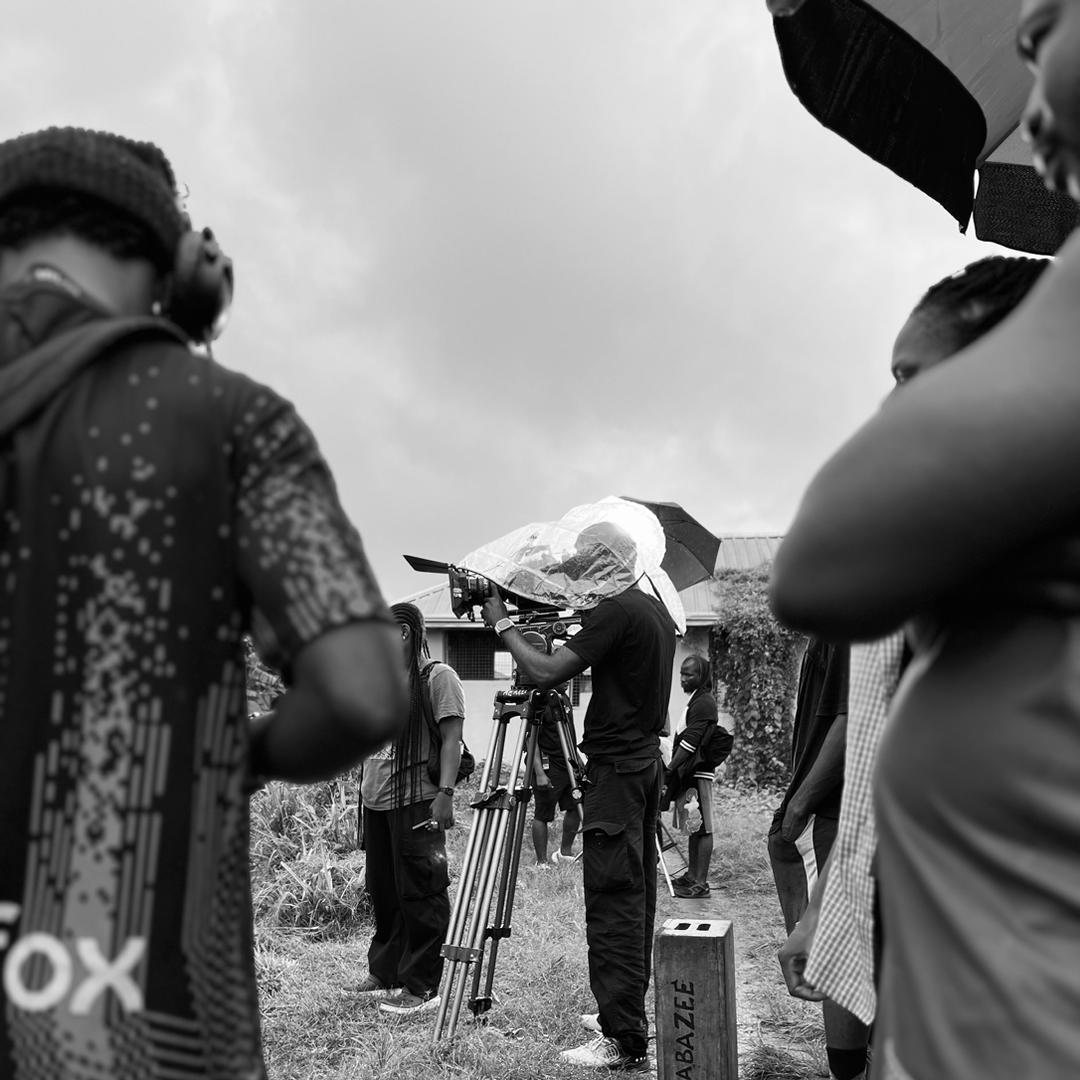
The film moves between English, Pidgin, Urhobo and Bini in Benin. Why did you want to tell it in the voices and place where it lives?
I wanted the film to feel like it belonged to the place and the people whose story we were telling. Language is such an important part of identity and relationships. The way we speak to our parents, friends, partners or elders can change depending on the relationship and the moment.
I didn’t want to flatten that reality for the convenience of a single language. Benin is part of the film’s identity, not just its backdrop.
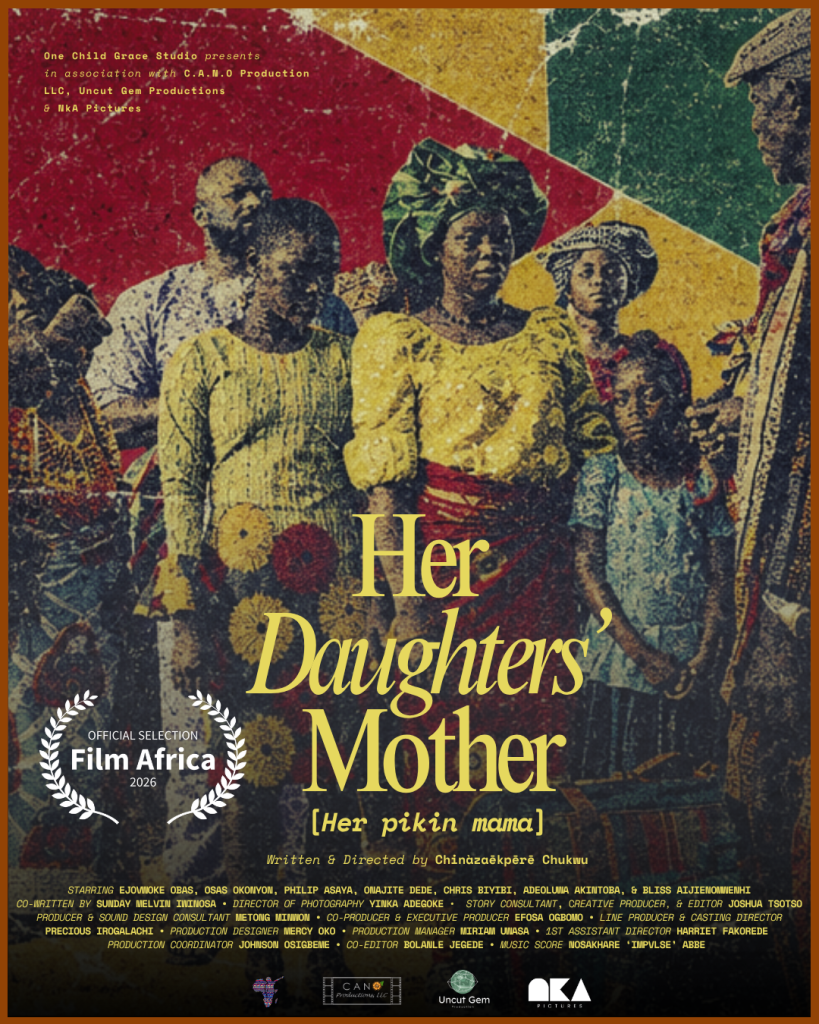
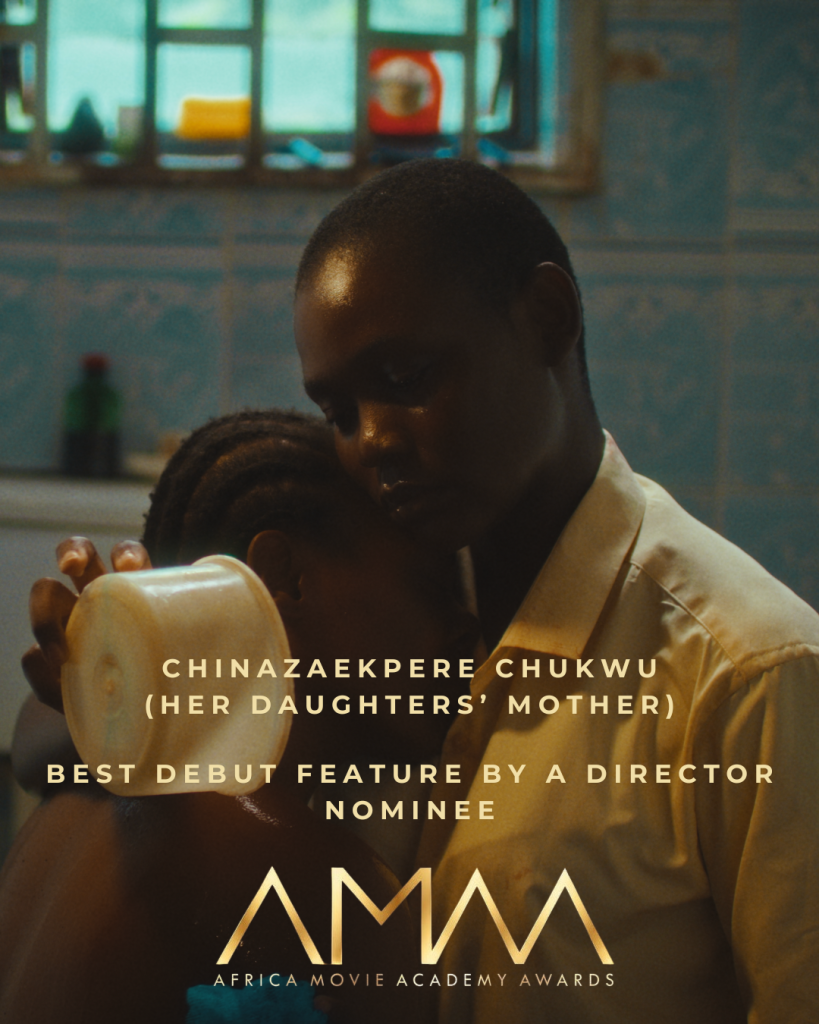
“We are ephemeral, stories are eternal.” As your first feature reaches London audiences, what do you hope stays with them after the credits?
I hope people remember Ejiro, even if they don’t necessarily agree with all her decisions. I hope they think about the women in their own lives and consider the circumstances that have shaped the choices those women have made.
More than anything, I hope the film starts conversations about motherhood, freedom and the lives women are sometimes expected to live.
If someone leaves the cinema seeing another person a little differently, then I think the story has done something meaningful.