Tell us about yourself and how you got into filmmaking.
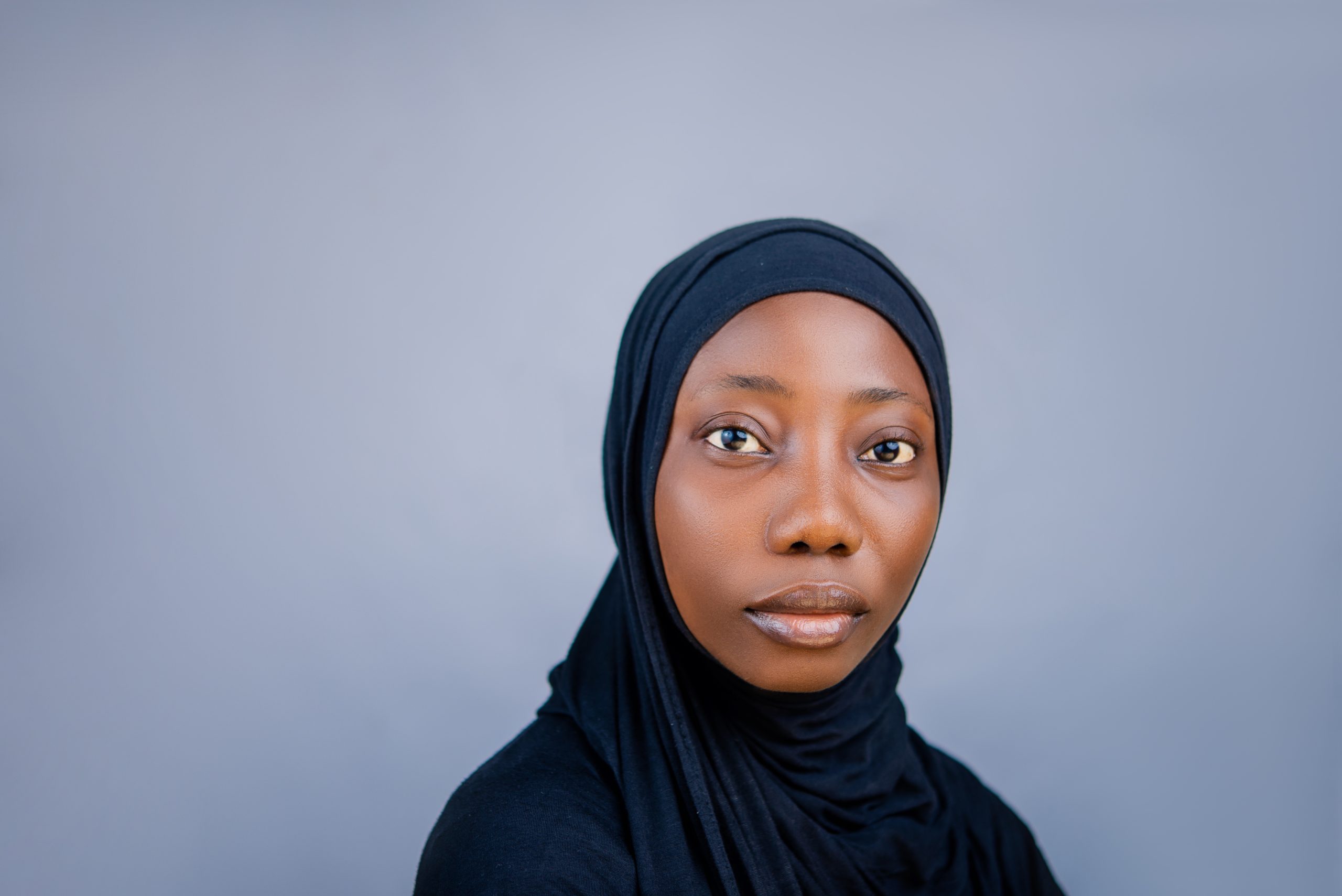
I’m Hajarat Abiodun Alli, a storyteller who is always looking for the best ways to tell a story. I can do it through prose, poetry, film, or any other form that lets the story breathe. I love to indulge, experiment and teach storytelling, Literature and Art forms.
For prose, my short story, Lost In The Blind Man’s Corner, won The Bolaji Abdullahi Prize for Literature. I’m also published on Brittle Paper with the story, My Mother And Her Broken Reflection. For poetry, I have been published in The Poetry Journal with My Aunty Does Not Tell Me To Marry, and recently won the poetry prize for Issue 3 of the same journal with Mallam Sauta’s First Sallah Ram.
My film journey became more intentional when I joined the inaugural set of Ebonylife Creative Academy in 2021, where I wrote the short film Monitoring Spirits. It won Best Script, among other awards. Daddy Bear is my first feature film and my directorial debut.
Daddy Bear started as a script idea in 2023. What pushed you to tell this story, finally?
What brought Daddy Bear out of the pipeline was the partnership we secured with Africa No Filter. I had wanted to tell a story that highlights men who stay true to their purpose, and I had already been developing the story with Korede.
So, when the opportunity came to finally make the film, bringing Korede on board was, of course, the natural thing to do. I’m happy to have her and Fulfilment Nwaturuocha on this project with me. They’re the best!
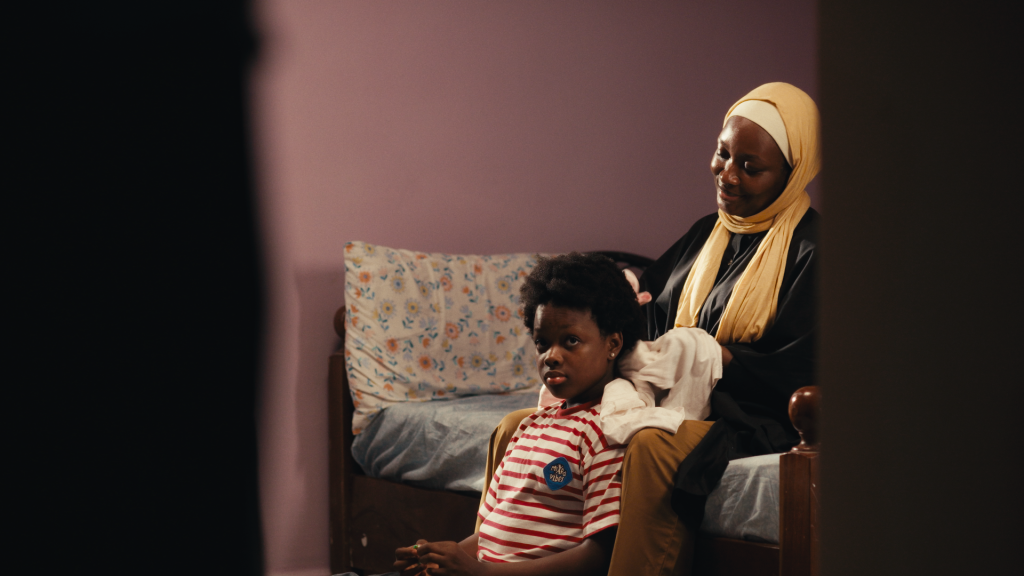
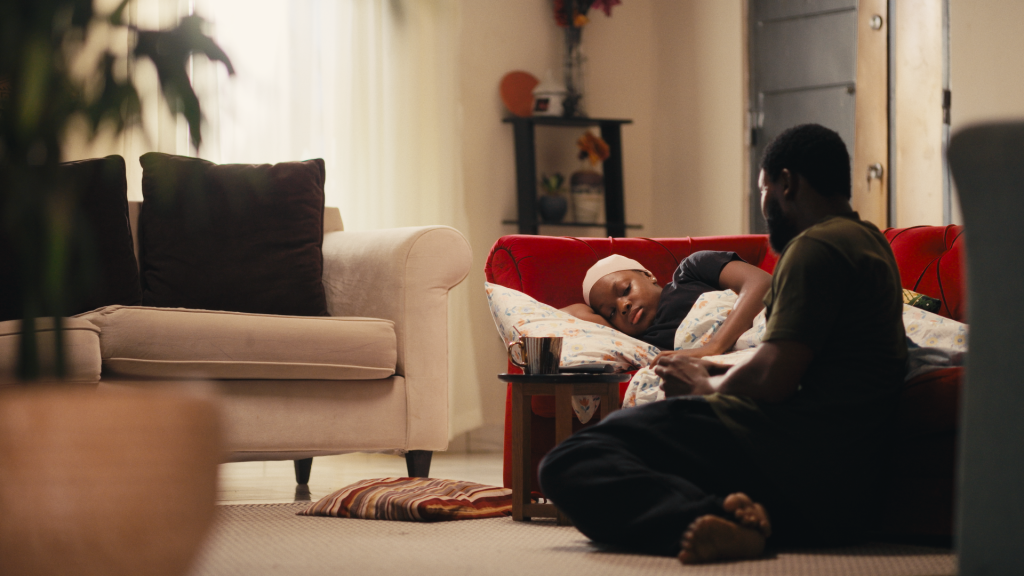
Fahd’s story asks what it means for a father to nurture, not just provide. What did you want audiences to take from that?
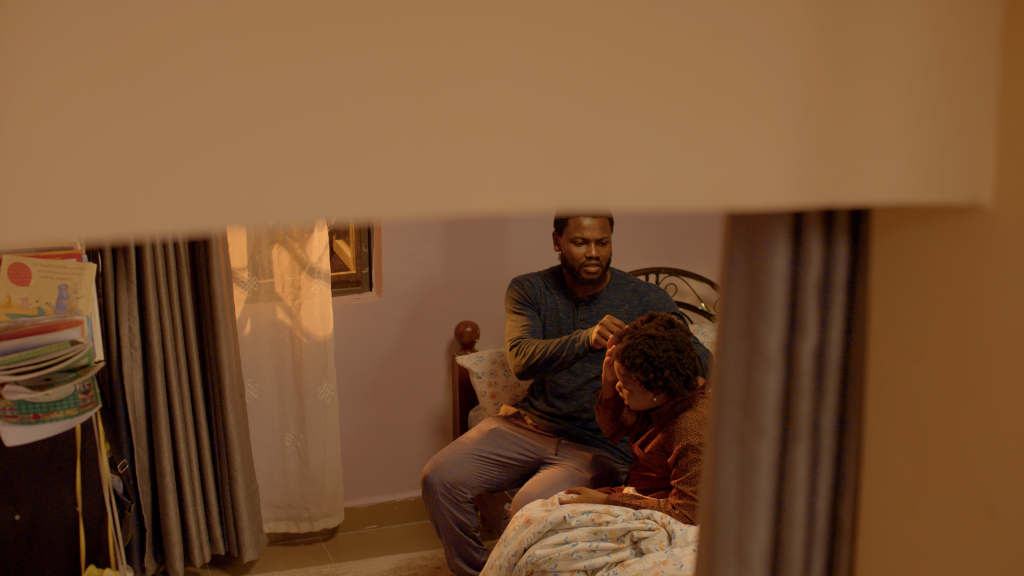
I want audiences to break away from stereotypical family arrangements when it comes to rights and responsibilities. The status quo tends to weigh heavily on the mother, with societal expectations taking from her without always giving back.
Then, when the father is faced with simple, everyday acts of caregiving in the absence of the mother, he becomes helpless and is told to remarry quickly, as though the family will fall apart otherwise. We actively avoid the option staring straight at us: a father can nurture, care for and bond with his children too. These things should not be determined by gender.
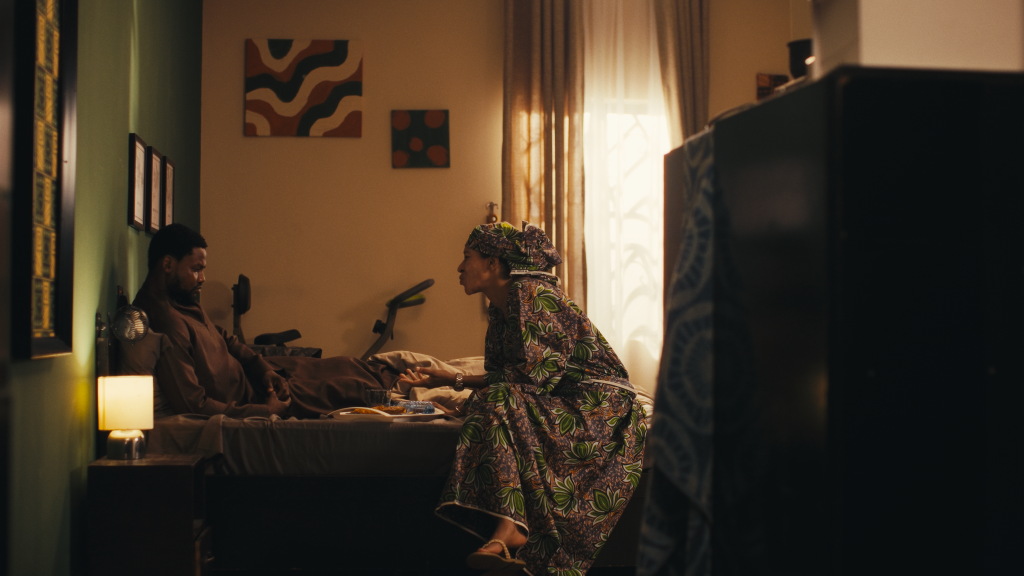
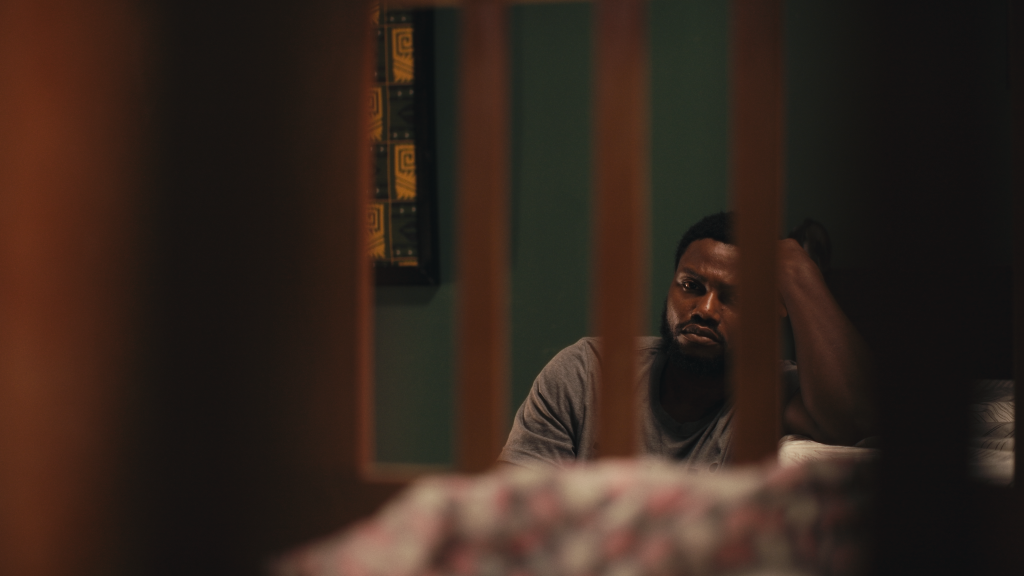
The film asks whether asking for help is weakness within Nigerian and Muslim ideas of masculinity. Why place that question in this specific context?
I’d like to have the difficult conversations with men, particularly traditional Muslim men, fathers and husbands who may think they are above doing certain things in their household because they are providers.
There is a Yoruba word, ‘Abiyamo’, which translates to someone who strives for the comfort of their child. That word is not gender-sensitive, and I think that is important. It includes nurturing and bonding with a child, going beyond providing or giving birth.
I’ve seen many cases where elderly men become lonely in their old age and say it cannot be avoided because “Children will always follow their mothers,” as if that is the natural order. But it is not. Children will find whoever bonds with them, creates good memories with them, is present, stays and treats them kindly. I want these conversations to challenge that mindset and open up more honest conversations about what fatherhood can be. I hope it gives men and their families a truer sense of connection and achievement.
Fathers should not find it cringe or beneath them to take care of their babies or discuss important matters that physically and mentally affect their children’s growth and development. Change your baby’s diaper, talk to your daughter about her period, cook something nice for your son, bond and be happy.
You’re building screenings and conversations around fatherhood and mental health. What community impact do you hope those rooms open up?
What the film is saying is that, even though men can and should take care of their domestic environment, it does not mean they have to do it alone. I would say the same thing if the roles were reversed and a woman were in the same situation.
For me, the important thing is that asking for help should not be seen as an admission of failure. It takes a village to raise a child, and sometimes that village has to include the father asking for support.
And about the film itself, beyond counting how much we make from it, I’m interested in how many lives we are able to impact through our storytelling. So instead of announcing that Daddy Bear made 100 million naira, I’d rather announce that Daddy Bear was seen by 100 million eyes.
What’s next for you after Daddy Bear?
I’ve been developing other projects before the opportunity to make Daddy Bear came along, so I will continue developing those stories. I would love to explore stories about identity, humanity, filial piety and history.
I’m developing works across drama, African folklore, science fiction and fantasy, as well as more prose and poetry. Daddy Bear has opened a door for me, and I’m looking forward to where my storytelling takes me next.