Tell us about yourself…
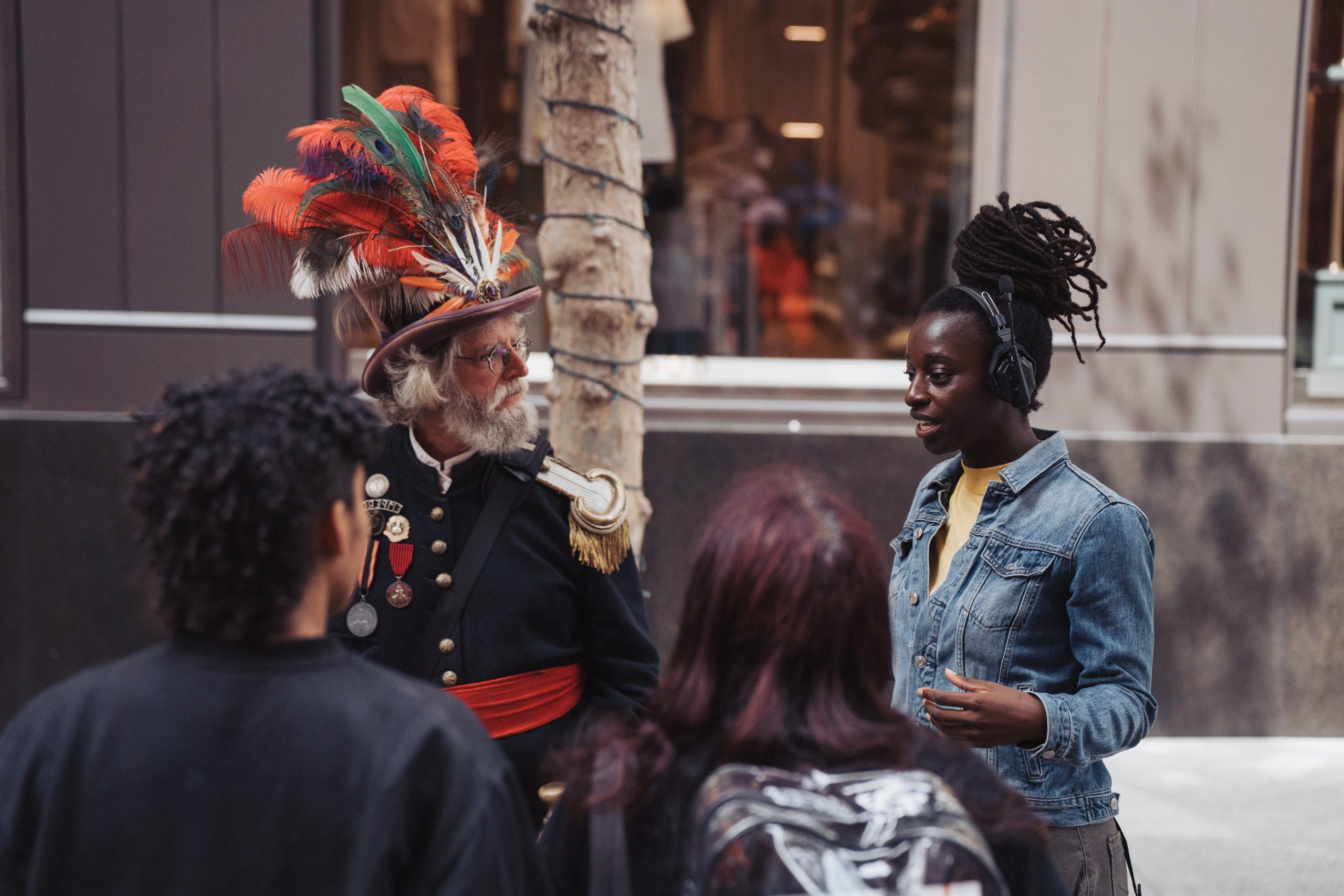
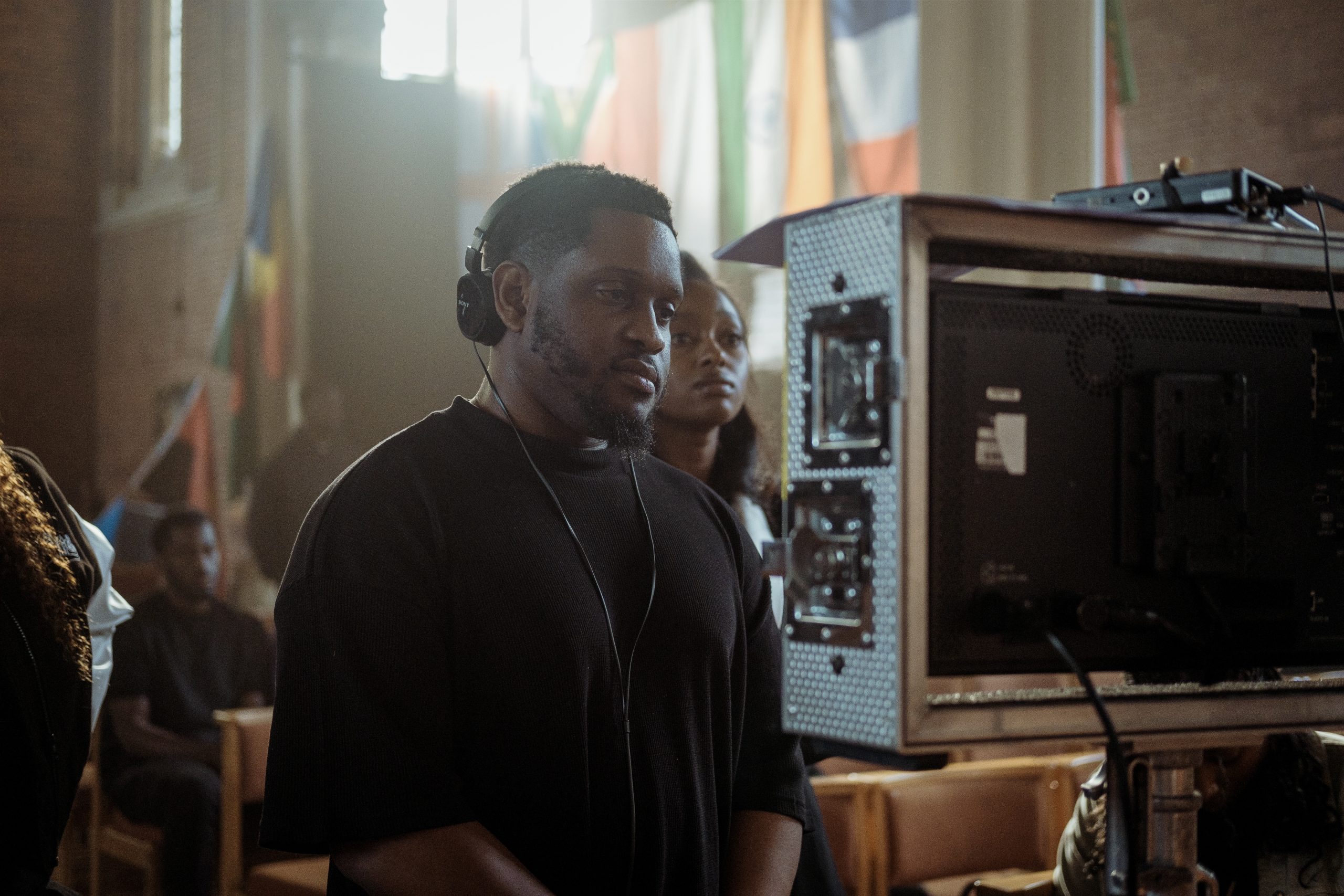
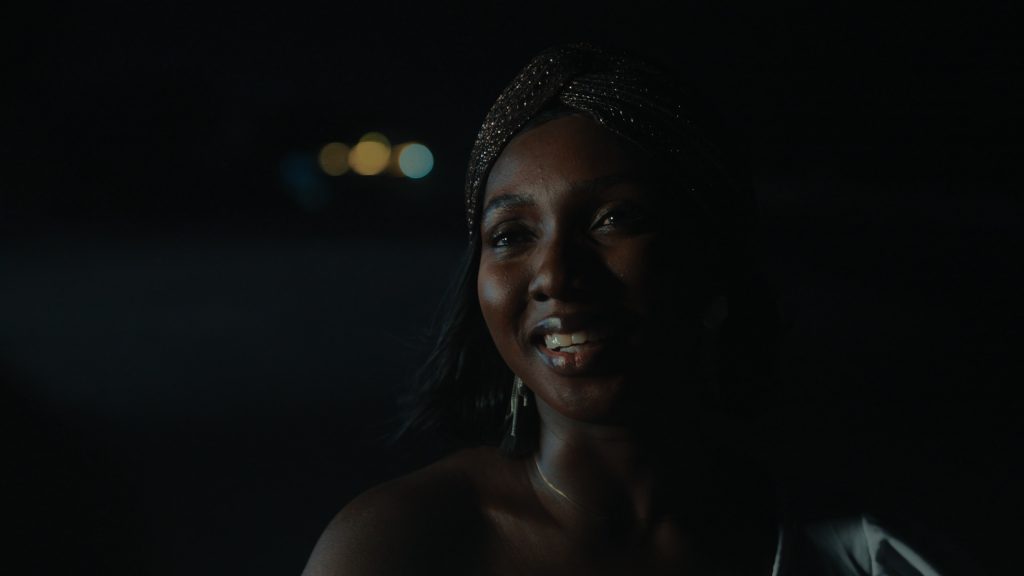
My name is Oghenenyerhovwo Nana, popularly known as Ny Nana. I am a London-based Nigerian filmmaker, producer, wife, and mother of three boys, as well as the CEO of Ny Nana Production.
I am from the Urhobo ethnic group, a minority tribe in Delta State, Nigeria, and I am passionate about telling authentic African stories that explore womanhood, spirituality, identity, and the experiences of women in society.
I am also the treasurer for Directors Guild Lagos. Over the years, I have directed and produced more than 20 film titles, including Okeoghene, an Urhobo-language short film officially selected for the Toronto International Nollywood Film Festival in Canada.

What inspired you to become a filmmaker, and how has your heritage influenced your work?
Before filmmaking, I worked as a radio host and TV presenter, and every day I encountered different real life stories and experiences that stayed with me. Over time, I realized I wanted to tell those stories visually through film.
Growing up in Warri also had a huge influence on me. I saw so many beautiful cultures, emotions, and everyday realities that were not being represented on screen, especially stories from minority tribes like the Urhobo people. That inspired me to use filmmaking as a way to preserve my culture and share authentic African stories with the world.

What challenges have you faced as a filmmaker of African origin, and how did you overcome them?
One of the key challenges I’ve faced as a filmmaker of African origin is limited access to funding and investment. Many African filmmakers struggle to secure production funding, grants or investors compared to filmmakers in more established industries, which can make it difficult to bring stories to life at the scale they deserve.
I overcame this by refusing to let funding limitations stop my creativity. Instead, I focused on self initiated production through my company, Ny Nana Production, where I began developing and producing my own films. This allowed me to stay consistent, build a body of work, and continue telling culturally grounded African stories while gradually earning trust and recognition within the industry.

What advice would you give to aspiring African filmmakers aiming to share their stories on a global stage?
My advice to aspiring African filmmakers is to start with the resources you have and remain consistent, even when conditions are not perfect. Your voice and your story are more important than waiting for ideal funding or equipment.
I would also encourage filmmakers to stay authentic and tell stories rooted in their culture, language, and lived experiences, because that is what makes African cinema stand out on a global stage.
For me personally, my short film Okeoghene was not in English but spoken in the Urhobo language. Even though it was a minority language, that did not stop me from sharing it with the world. It became my first time taking a film to festivals internationally, and it was selected for the Toronto International Nollywood Film Festival in Canada. That experience taught me that authenticity travels far beyond language barriers.
Finally, I would say be persistent, keep creating, and put your work out there. Global recognition comes from consistency and courage, not waiting for permission